The right pair of socks depends less on age and more on what you need them to do.
Some older adults want more traction when walking around the house. Others are looking for gentle compression, extra warmth, softer materials, or simply a sock that is easier to put on.
Instead of looking for one universally "best" sock for seniors, start with the specific problem you're trying to solve.
This guide explains the most common types of socks for older adults and the features worth considering before you buy.
Start With the Problem You're Trying to Solve
Ask a few practical questions:
- Do you want more traction on smooth indoor floors?
- Are you looking for compression?
- Is pulling a sock over the foot or ankle difficult?
- Do your feet tend to feel cold?
- Do your feet sweat easily?
- Are tight cuffs uncomfortable?
- Is reaching your feet difficult?
Different sock designs solve different problems.
A pair of gripper socks, for example, serves a very different purpose from a pair of compression socks.
Understanding that difference is the easiest place to start.
Gripper Socks: When Extra Traction Is Useful
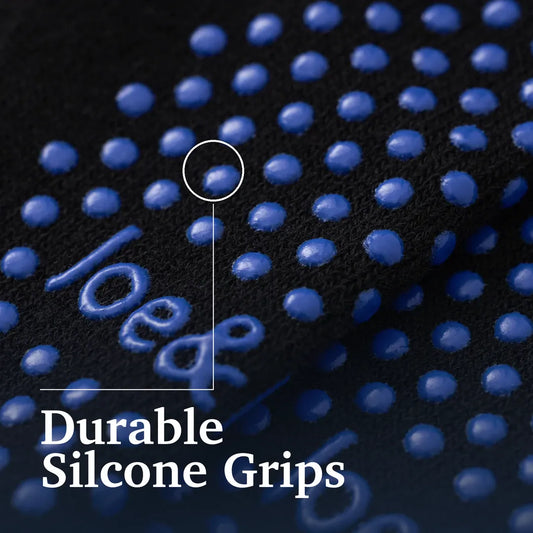
Gripper socks have textured material on the bottom of the foot that provides more traction than an ordinary smooth-soled sock.
You may recognize this style from hospitals, rehabilitation facilities, and other care settings, but gripper socks can also be useful at home.
They may be worth considering for someone who:
-
Frequently walks indoors without shoes
-
Has smooth flooring such as hardwood or tile
-
Wants more traction than a standard sock provides
-
Is spending more time indoors during recovery
Gripper socks should not be treated as a guarantee against slipping or falling, and supportive footwear may be more appropriate in some situations.
But when shoes aren't being worn, a well-fitting gripper sock can provide additional traction compared with an ordinary sock.
Joe & Bella offers gripper socks designed to combine indoor traction with everyday comfort.
Compression Socks: When Compression Is the Goal
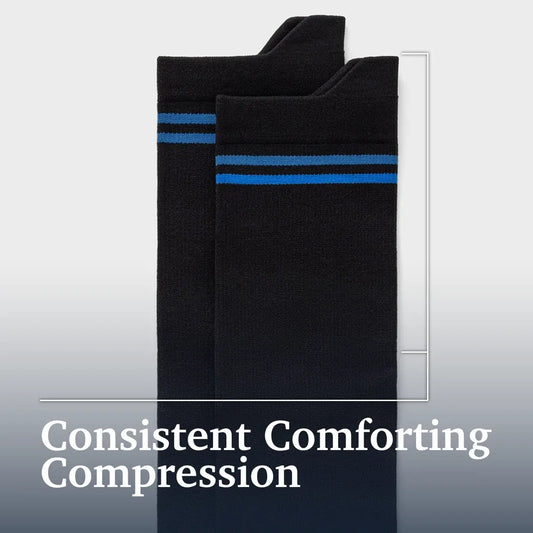
Compression socks are designed to apply graduated pressure around the foot and lower leg.
They serve a different purpose from gripper socks and ordinary everyday socks.
Some people wear compression socks to help manage swelling or because compression has been recommended for a particular health need. The right amount of compression depends on the individual, and stronger compression is not automatically better.
Compression socks can also be more difficult to put on because they are intentionally snug.
If you're specifically considering compression, our guide Compression Socks for Seniors: How to Choose the Right Pair goes deeper into:
- Compression levels
- Sizing
- Calf measurements
- Easy-on features
- Swelling and edema
- Diabetes and neuropathy considerations
- When to consult a healthcare professional
You can also explore Joe & Bella's compression socks.
Gripper Socks vs. Compression Socks
Gripper and compression socks are sometimes grouped together as "senior socks," but they are designed for different purposes.
If your main goal is... |
Consider... |
| More traction indoors | Gripper socks |
| Gentle graduated compression | Compression socks |
| Easier dressing | Socks with stretch or easy-grab features |
| Warmth | Thicker everyday socks |
| Managing sweat | Breathable or moisture-wicking fabrics |
| Everyday comfort | Soft, properly fitting socks |
Some socks may combine multiple features, but start with the primary need rather than trying to find one sock that does everything.
Look for Socks That Are Easy to Put On
One of the most overlooked parts of choosing socks for older adults is the dressing process itself.
A comfortable sock isn't especially useful if getting it over the foot every morning is frustrating.
Putting on socks can become more difficult when someone has:
- Reduced hand strength
- Limited dexterity
- Arthritis
- Difficulty bending
- Reduced hip, shoulder, or back mobility
- Trouble reaching the feet
Look for features that make the sock easier to grip and pull into place.
These might include:
- Flexible openings
- Stretchy fabric
- Easy-grab pull tabs
- Larger areas of fabric to hold while dressing
It is also important to identify where the difficulty is coming from.
If reaching the foot is the main problem, changing the sock itself may not solve it.
Consider the Cuff
The top of the sock matters more than you might think.
A cuff needs enough tension to keep the sock in place without feeling unnecessarily restrictive.
Look for a cuff that:
- Stays up during normal wear
- Doesn't roll excessively
- Doesn't create uncomfortable pressure
- Has enough stretch to move over the heel and ankle
The ideal fit will vary from person to person.
Choose the Right Size
Socks that are too small can feel restrictive.
Socks that are too large may bunch, twist, or slide around inside a shoe.
Use the manufacturer's sizing chart rather than assuming that all sock brands fit the same way.
Pay particular attention to:
- Foot size
- Ankle fit
- Calf fit for taller socks
- How much the material stretches
Compression socks may require more detailed measurements than ordinary socks, so follow the manufacturer's sizing instructions carefully.
Think About Warmth
Sometimes the goal is simply warmer feet.
For someone who frequently feels cold indoors, a thicker sock may be preferable to a lightweight one.
Consider where and when the socks will be worn.
Someone spending most of the day in an air-conditioned home may prefer a warmer fabric, while another person may prioritize something lightweight and breathable.
Comfort is personal, so there is no single material or thickness that works best for everyone.
Look for Breathable Fabrics
Sweaty feet can make socks uncomfortable.
Breathable or moisture-managing materials can help move moisture away from the skin and may be worth considering for someone whose feet tend to perspire.
Rather than relying on labels such as "senior socks," look at the actual fabric blend and construction.
Different materials provide different combinations of:
- Softness
- Stretch
- Warmth
- Breathability
- Durability
Choose based on how and where the socks will actually be worn.
Check the Inside of the Sock
Small construction details can make a noticeable difference in comfort.
Before buying, consider:
- Toe seams
- Interior texture
- Fabric thickness
- Cuff construction
- Cushioning
Someone with particularly sensitive feet may prefer a smoother interior with fewer prominent seams.
Persistent pain, numbness, sores, or skin changes should be evaluated by a healthcare professional rather than addressed solely by changing socks.
What Socks Are Easiest to Put On?
If hand strength or dexterity is the main challenge, pay attention to how much force is required to open and pull the sock.
Look for:
- Flexible openings
- Stretchy fabric
- Easy-to-grip material
- Pull tabs
- Enough room to guide the foot inside
A very tight sock may require more hand strength than an ordinary sock.
This is especially important with compression socks, which are designed to fit more snugly.
What If Reaching the Feet Is Difficult?
Sometimes the sock isn't actually the problem.
If bending forward or reaching the feet is difficult, even a very flexible sock may still be challenging to put on.
Possible strategies include:
- Dressing while seated
- Using a sock aid
- Using a long-handled dressing tool
- Bringing the foot toward the opposite knee when comfortable
- Getting assistance with lower-body dressing
The best approach depends on the person's mobility and abilities.
When Should You Ask a Healthcare Professional?
Most people can choose ordinary or gripper socks based primarily on fit and comfort.
Compression and certain medical concerns deserve more consideration.
Talk with a healthcare professional if someone has:
- Significant or persistent leg or foot swelling
- Known circulation problems
- Diabetes with reduced sensation
- Open wounds or sores
- Major skin changes
- Persistent numbness or pain
- A medical recommendation to begin compression
Socks can support everyday comfort and dressing, but they should not be used to diagnose or self-treat an unexplained medical problem.
Where Can You Buy Socks for Seniors?
Socks designed around traction, compression, comfort, and easier dressing are available through pharmacies, medical-supply retailers, apparel companies, and online stores.
Joe & Bella offers several options designed around different everyday needs:
Instead of choosing a product simply because it is marketed "for seniors," compare its actual features with the problem you're trying to solve.
How Should You Care for Your Socks?
Always follow the care instructions provided with the specific pair you purchase.
In general:
- Wash according to the garment label
- Check grippers for visible wear
- Inspect fabric for thinning or holes
- Make sure elastic still holds the sock comfortably in place
- Replace socks that have become stretched, damaged, or uncomfortable
Gripper materials, compression fabrics, and ordinary socks may all require different care, so the manufacturer's instructions should take priority over general laundry advice.
Frequently Asked Questions (FAQs)
-
Big-Grip No-Slip Compression Socks: 3-PackRegular price $18Regular priceUnit price per
$54Sale price $18Sale -
Everyday Gripper Socks 3-PackRegular price $38Regular priceUnit price per
$54Sale price $38Sale