Updated October 2026
Choosing a gift for someone with dementia or Alzheimer’s can feel difficult, especially when you are unsure what they will actually enjoy or use.
A good place to start is with the person rather than the diagnosis.
What have they always enjoyed? What feels familiar? Is there an everyday task that has recently become frustrating? Would they prefer something practical, something comforting, an activity or simply more time with the people they care about?
Dementia affects everyone differently, so there is no universal list of perfect gifts. The best choice is usually something that fits the person’s interests, abilities and routine right now.
What Is the Best Gift for Someone With Alzheimer’s?
There is no single best gift. Choose something that reflects who the person is, what they enjoy and what fits comfortably into their life right now.
For one person, it may be an easier-fastening shirt or another adaptive-clothing option.
For someone else, it may be a photo book.
Another person may want music, chocolate, a baseball game or a visit from their grandchildren.
The common thread is familiarity.
Christmas Gift Ideas for Someone With Dementia
Christmas can be a good time to choose gifts that feel familiar, personal and easy to enjoy.
Rather than buying something simply because it is marketed as a dementia gift, think about the traditions and interests the person already associates with the holidays.
Christmas gift ideas might include:
- A photo book covering the past year
- A digital frame preloaded with family Christmas photos
- A comfortable sweater or cardigan in a style they already wear
- Easier-dressing clothing if buttons or conventional pants have become frustrating
- Music from a favorite artist or a playlist of familiar Christmas songs
- A favorite holiday food or dessert
- A simple activity the family can do together
- A book or movie connected to a longtime interest
- A duplicate of a favorite shirt or other familiar piece of clothing
- A planned family visit or quiet holiday outing
For someone who becomes overwhelmed by large gatherings, the best Christmas gift may be a smaller, calmer experience rather than another object.
You could plan breakfast together before the rest of the family arrives, watch a favorite holiday movie, look through old Christmas photos or bring over a familiar meal.
The same principle applies at Christmas as any other time of year: choose the gift around the person, not around dementia.
Here are 10 more ideas to consider.
1. Adaptive Clothing When Dressing Has Become Difficult
Clothing can be a thoughtful gift when getting dressed has started to require more effort.
Someone living with dementia may have difficulty choosing an outfit, remembering the order clothes go on, managing buttons or zippers, or understanding how a garment should be worn. Physical challenges such as arthritis, reduced hand strength or limited mobility can make dressing harder as well.
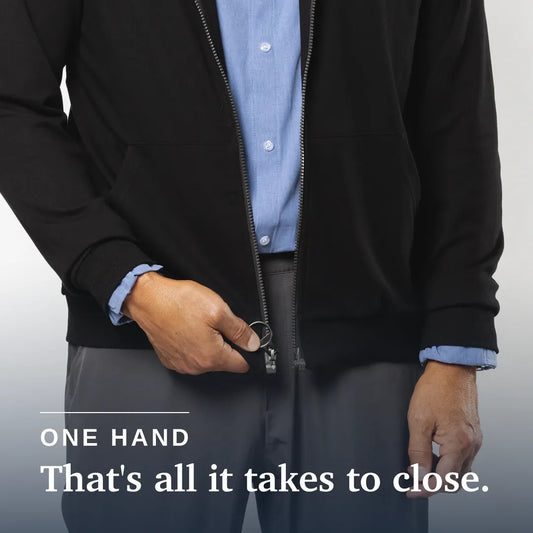
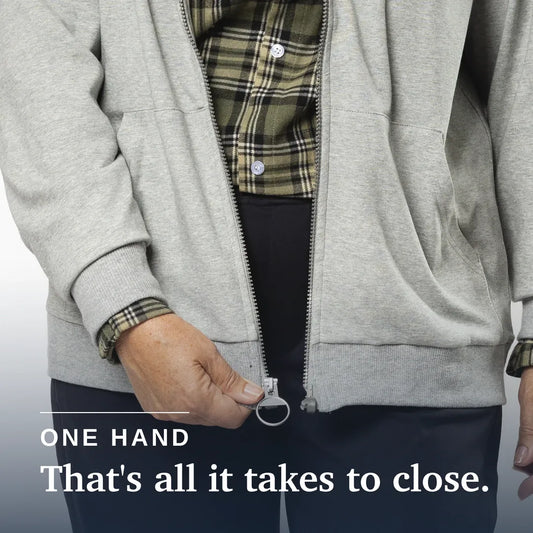
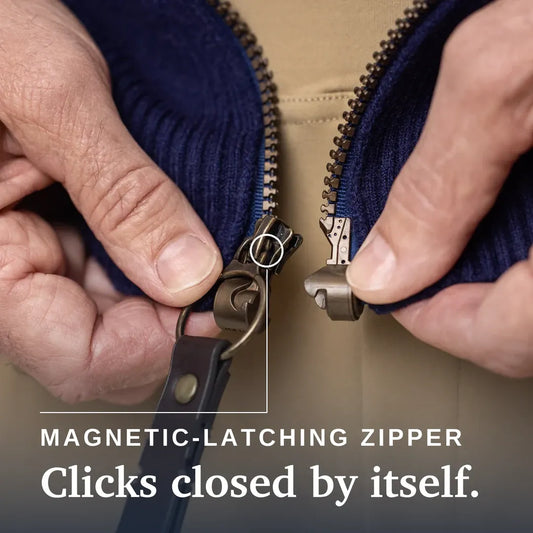
Adaptive clothing for dementia can help address specific dressing problems with features such as:
- Easier closures
- Flexible waistbands
- Larger openings
- Stretch fabrics
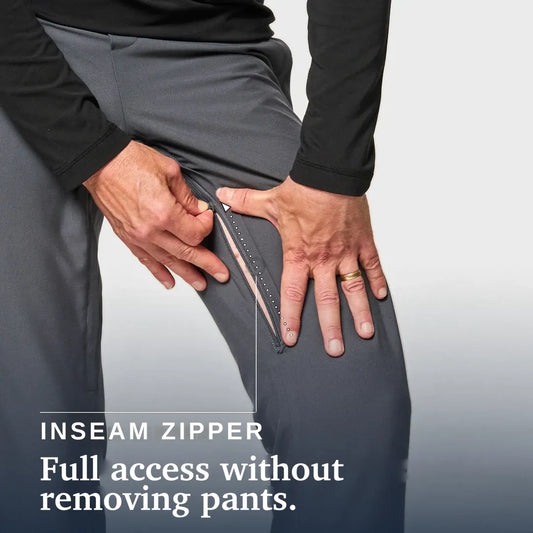
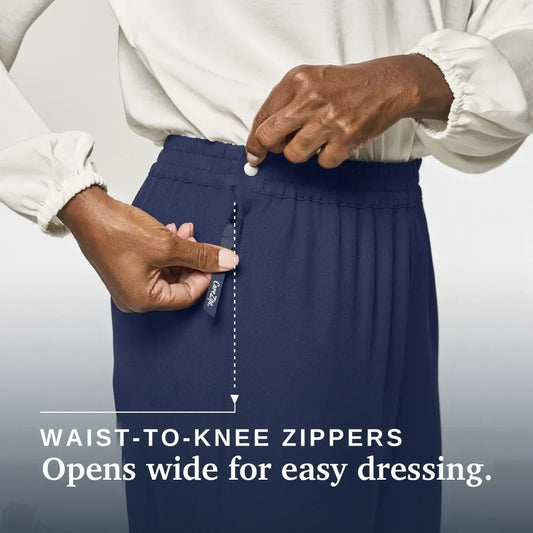
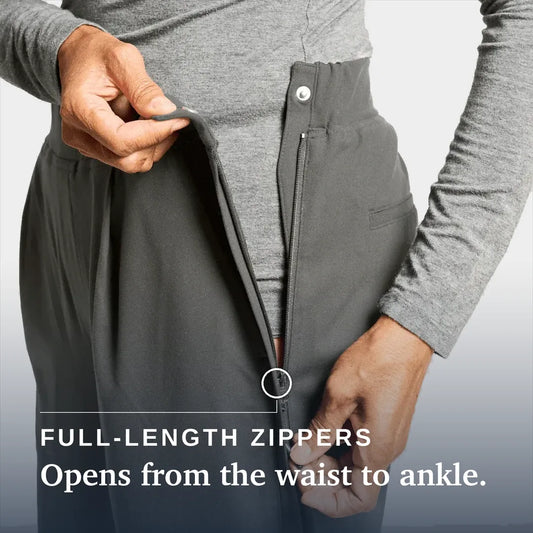
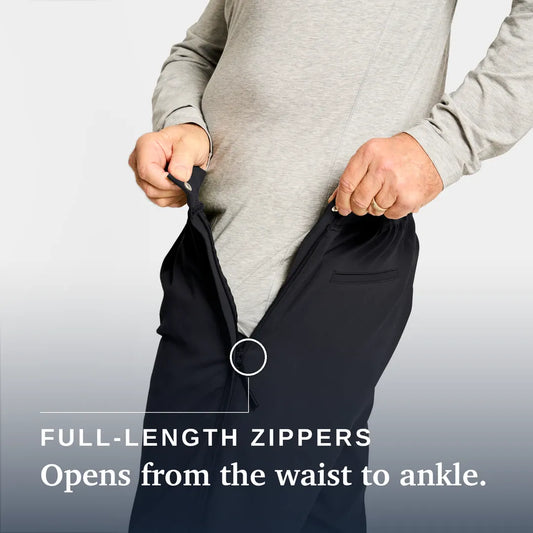
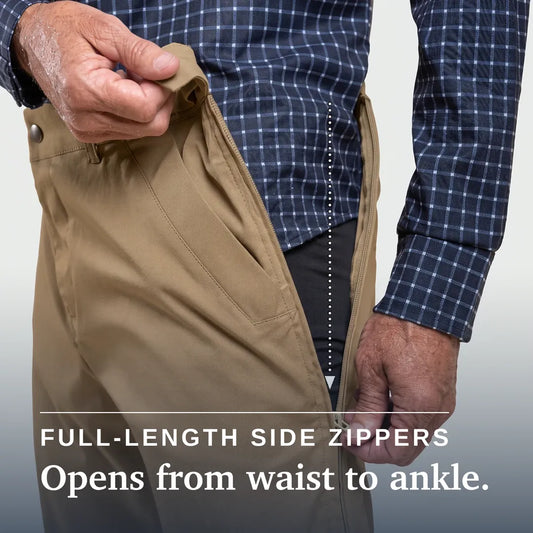
- Side-opening pants
- Front-opening shirts
The key is not to replace someone’s wardrobe simply because they have dementia.
If they have worn button-down shirts for decades, an easier-fastening button-down may feel much more familiar than changing their style completely.
What About Magnetic Clothing?
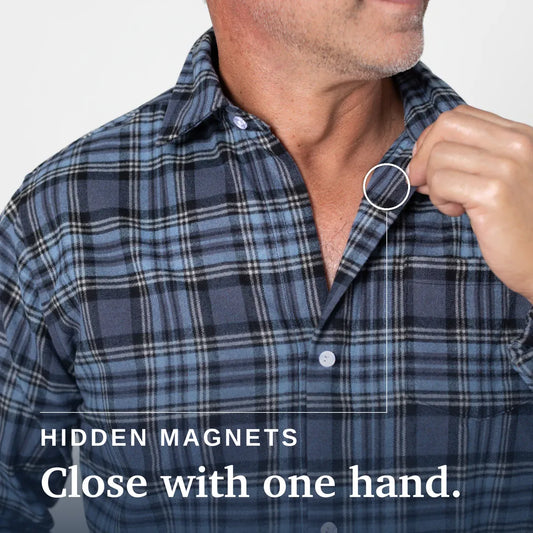
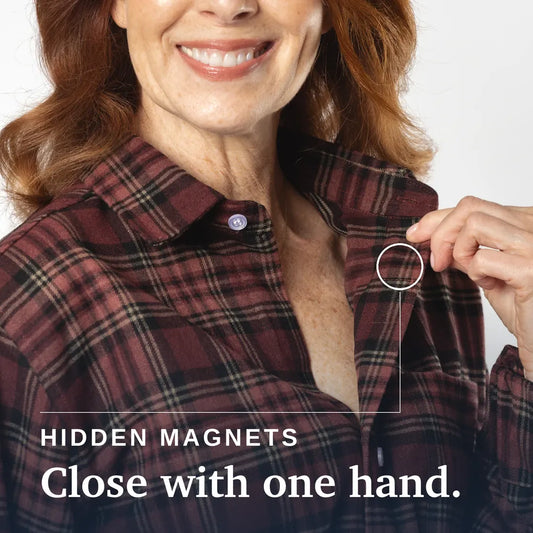
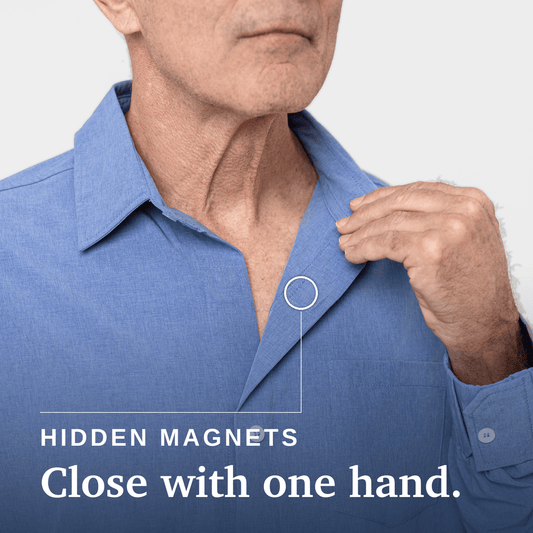
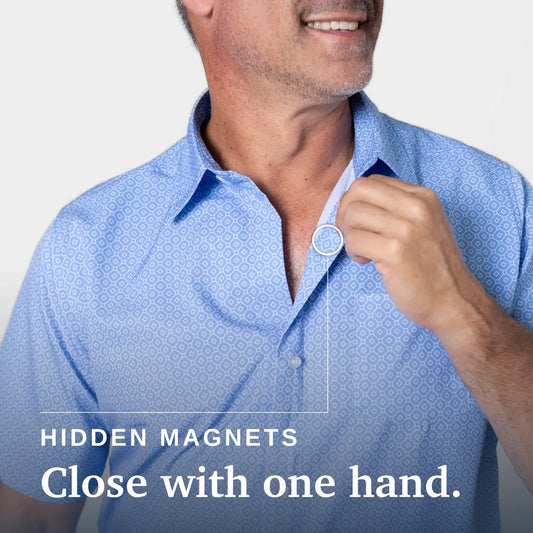
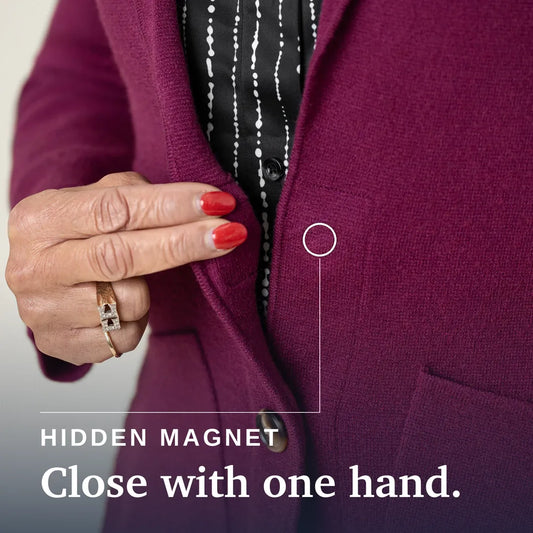
Magnetic shirts can reduce the fine-motor work involved in fastening conventional buttons while maintaining the look of a traditional button-down.
However, magnetic clothing is not appropriate for everyone. Anyone with a pacemaker, ICD or another implanted medical device that may be affected by magnets should follow the guidance of their healthcare provider and device manufacturer.
2. A Family Photo Album or Photo Book
A photo album can be a deeply personal gift without requiring complicated technology.
Fill it with photos that matter to the person:
- Family members
- Old friends
- Favorite vacations
- Their wedding
- Childhood photos
- Former homes
- Pets
- Important family celebrations
- Places they know well
Adding simple captions can make the book easier to enjoy together.
Instead of treating the album like a memory test, use it as a starting point for conversation.
You do not need to ask, “Do you remember who this is?”
You can simply say, “Here’s that photo of you and Dad at the lake.”
The goal is connection, not testing memory.
3. A Digital Photo Frame
A digital photo frame offers another way to keep familiar faces and moments visible.
Look for one that family members can update remotely. That way, children, grandchildren and friends can continue adding photos without requiring the recipient to manage the technology.
Set it up before giving it.
Connect it to Wi-Fi, preload photos and make sure it turns on automatically if possible.
The easier the device is to use, the more likely it is to become part of everyday life rather than another gadget sitting unplugged on a table.
4. Familiar Music
Music can make a very personal gift when it is chosen around the individual’s actual tastes.
Think about:
- Songs from their teenage years
- Favorite singers or bands
- Music they danced to
- Religious music
- Broadway shows
- Classical music
- Jazz
- Country
- Old concert recordings
You could create a playlist, preload a simple music player or give recordings from an artist they have always loved.
The important part is familiarity.
Do not assume that someone wants generic “music for seniors.” Choose the music they would have chosen for themselves.
Listening together can also turn the gift into a shared experience.
5. Something Connected to a Favorite Hobby
Dementia does not erase someone’s interests.
If the person has always enjoyed gardening, cooking, baseball, art, music, woodworking, movies or another hobby, start there.
The activity may need to be adapted, but it does not necessarily need to disappear.
Ideas might include:
- Gardening supplies for a tabletop planter
- A book about a favorite sports team
- Art supplies
- A familiar cookbook
- A bird feeder
- A collection of classic movies
- Music from a favorite performer
- A coffee-table book about travel, cars, fashion or another longtime interest
The best gift may have nothing to do with dementia at all.
It may simply remind the person that the things they enjoy still matter.
6. An Easy-to-Enjoy Activity
Activities can make good gifts when they match the person’s current abilities and interests.
Possibilities include:
- Large-piece puzzles
- Large-print playing cards
- Simple card games
- Coloring or art supplies
- Dominoes
- Gardening
- Sorting family photographs
- Simple crafts
- Audiobooks
- Favorite movies
Avoid choosing an activity solely because it is marketed for dementia.
Someone who never enjoyed puzzles before dementia probably will not suddenly love them now.
It can also help to choose activities that do not have a strong sense of “winning” or “getting the right answer” if those things have become frustrating.
The goal should be enjoyment, not performance.
7. Comfortable Everyday Clothing
Not every clothing gift needs to be highly specialized.
A comfortable cardigan, soft sweater, favorite-style shirt or easy-fitting pair of pants can be a great gift if it fits the person’s preferences.
Look for clothing that is:
- Comfortable
- Familiar in style
- Easy to put on
- Appropriate for how the person dresses now
- Simple enough to manage without unnecessary frustration
If someone repeatedly wants to wear a favorite shirt, buying a duplicate can even be useful. One can be washed while the familiar option remains available.
Comfort matters, but so does identity.
Someone with dementia should not have to start dressing like a different person simply because their needs have changed.
8. A Favorite Food or Meal
Sometimes the best gift is something simple and familiar.
Bring food from a favorite restaurant.
Bake something they have always loved.
Cook a family recipe together.
Arrange a small lunch with people they know well.
Food can also be an opportunity to spend time together without making the occasion revolve around dementia.
If the person has dietary restrictions, swallowing difficulties or other medical considerations, check with their caregiver before bringing food.
Otherwise, think about what they actually enjoy rather than what seems like a stereotypical “senior” gift.
9. A Shared Experience
Experiences can be especially meaningful when they are comfortable and familiar.
Depending on the person, you might plan:
- Lunch at a favorite restaurant
- A drive through an old neighborhood
- A visit to a familiar park
- A family movie afternoon
- Gardening together
- Looking through old photographs
- Attending a religious service
- Listening to music together
- Watching a favorite sports team
- A small family gathering
Keep the person's current energy, mobility and comfort level in mind.
An elaborate outing may sound wonderful to the gift giver but feel exhausting to the recipient.
Sometimes the best experience is a quiet afternoon doing something familiar with someone they trust.
10. Your Time
This may be the most valuable gift on the list.
Visit.
Have coffee.
Watch television together.
Listen to music.
Take a walk if that is comfortable.
Sit outside.
Look through photographs.
Help with a small project.
Or simply talk.
You do not need to create a special activity every time you spend time with someone who has dementia.
Being present can be enough.
For family caregivers, you can also make your gift more concrete by offering specific help.
Instead of:
“Let me know if you need anything.”
try:
“I can stay with Dad Saturday afternoon if you want a few hours to yourself.”
Specific offers are often easier to accept.
How to Choose a Gift for Someone With Dementia
Before buying something, ask a few questions.
What Has This Person Always Enjoyed?
Start with their personality and interests.
Someone who loved fashion may still care about clothing.
Someone who loved baseball may still enjoy watching a game.
Someone who spent decades gardening may enjoy growing herbs near a window.
Their history is often a better gift guide than their diagnosis.
Can They Use the Gift Comfortably?
Think about the amount of:
- Fine-motor control
- Reading
- Technology
- Memory
- Setup
- Physical movement
the gift requires.
Something that creates frustration is unlikely to feel like a present.
Does the Gift Require Learning Something Completely New?
New technology can still be useful, but simpler is often better.
If you give a digital frame, tablet, music player or smart device, handle as much of the setup as possible before giving it.
Are You Solving a Problem They Actually Have?
Adaptive clothing can be wonderful when buttons or conventional pants have become difficult.
That does not mean someone needs adaptive clothing simply because they have dementia.
The same applies to every practical gift.
Start with the challenge, then choose the product.
Should Gifts Change as Dementia Progresses?
They may.
Rather than relying too heavily on labels such as early, middle or late-stage dementia, pay attention to what the person can comfortably enjoy right now.
Someone may eventually prefer:
- Simpler activities
- Fewer choices
- More familiar objects
- Easier-to-manage clothing
- Shorter outings
- More help using technology
But there is no single timetable.
Keep adjusting the gift to the person instead of assuming everyone at a particular stage wants the same things.
Gifts to Be Careful About
Some gifts deserve more thought before purchasing.
Complicated Technology
A device with multiple menus, passwords, apps and settings may create more frustration than enjoyment.
If technology is the gift, simplify it first.
Mobility or Medical Equipment
Walkers, monitoring devices and other medical or assistive equipment may need to be selected based on the individual's specific needs.
Those are generally better discussed with the person, caregiver or relevant healthcare professional rather than purchased as a surprise.
Products That Make Medical Promises
Be cautious with products claiming to improve memory, prevent falls, reduce dementia symptoms or treat anxiety.
A thoughtful gift does not need to make a health claim.
Gifts That Feel Childish
People living with dementia are adults.
Activities may need to become simpler, but they should still feel appropriate to the person's interests and identity.
Final Thoughts
A dementia diagnosis should not become the entire basis for choosing a gift.
Start with the individual.
What do they like?
What feels familiar?
What has become frustrating?
What would make them smile?
Sometimes the answer will be adaptive clothing or another practical item.
Sometimes it will be photographs, music or an activity.
And sometimes the best gift will simply be showing up and spending time together.
The most thoughtful gifts are the ones that recognize the person before the diagnosis.
More Gift Guides:
Practical Gifts for Seniors and Older Women
About Joe & Bella
Joe & Bella designs contemporary adaptive clothing for people with dementia and Alzheimer’s, with features intended to make dressing easier while preserving familiar personal style.
A note from Joe & Bella: This article is intended for general informational purposes only and is not medical advice. Dementia affects people differently. For questions about significant changes in behavior, mobility, eating, communication or daily functioning, consult the person’s healthcare team.
Frequently Asked Questions (FAQs)
-
Big-Grip No-Slip Compression Socks: 3-PackRegular price $22Regular priceUnit price per
$54Sale price $22Sale -
CareZips® Men's Access PantsRegular price $81Regular priceUnit price per
$108Sale price $81Sale -
CareZips® Women's Access PantsRegular price $81Regular priceUnit price per
$108Sale price $81Sale -
Everyday Gripper Socks 3-PackRegular price $40Regular priceUnit price per
$54Sale price $40Sale -
Everyday Magnetic Flannel for MenRegular price $74Regular priceUnit price per
$98Sale price $74Sale -
Everyday Magnetic Flannel for WomenRegular price $74Regular priceUnit price per
$98Sale price $74Sale -
Everyday Side-Zip Pants for WomenRegular price $81Regular priceUnit price per
$108Sale price $81Sale -
Everyday Side-Zip Pants for MenRegular price $81Regular priceUnit price per
$108Sale price $81Sale -
HoodEase®: The Magnetic Zip-Up HoodieRegular price $81Regular priceUnit price per
$108Sale price $81Sale -
HoodEase®: The Magnetic Zip-Up Hoodie for WomenRegular price $81Regular priceUnit price per
$108Sale price $81Sale -
Magnetic Button-Down for Men | Relaxed-FitRegular price $74Regular priceUnit price per
$98Sale price $74Sale -
Short-Sleeve Everyday Magnetic-Button Shirt for MenRegular price $74Regular priceUnit price per
$98Sale price $74Sale -
Signature Magnetic Cardigan for WomenRegular price $68Regular priceUnit price per
$118Sale price $68Sale -
Signature Magnetic Zip-Up Sweater For MenRegular price $88Regular priceUnit price per
$118Sale price $88Sale -
Signature Side-Zip Chinos for MenRegular price $88Regular priceUnit price per
$118Sale price $88Sale