As our loved ones age, their daily needs evolve in ways that require thoughtful consideration. Understanding the essentials for elderly individuals can make a significant difference in quality of life, safety, and comfort.
This guide explores the most important senior citizen essentials that address common challenges while promoting dignity in the golden years.
Safety and Mobility Essentials
Safety becomes paramount as we age, and the right equipment can help prevent accidents.
Gripper Socks & Compression Socks
Gripper socks and compression socks are simple yet highly effective safety aids for the elderly, helping prevent falls while also supporting leg health. They are especially useful for seniors who spend long hours at home or have balance and circulation concerns.
Walking Aids
Canes, walkers, and rollators serve as foundational senior essentials for maintaining mobility. Four-wheeled rollators with seats offer particular versatility, allowing senior individuals to rest when needed while shopping or walking outdoors. Properly fitted walking aids can dramatically reduce fall risk and increase confidence when moving about.
Non-Slip Solutions
Adding non-slip mats to bathroom floors, shower stalls, and beside beds represents an inexpensive yet effective safety measure. Non-slip socks with rubber grips also help prevent falls on smooth indoor surfaces.
Health Management Items
Managing medications and monitoring health conditions becomes increasingly important with age.
Pill Organizers and Medication Management Systems
Weekly pill organizers with multiple daily compartments help seniors keep track of complex medication schedules. For those managing multiple prescriptions, automated medication dispensers that provide audible reminders and dispense pills at scheduled times offer peace of mind for both seniors and caregivers.
Blood Pressure Monitors
Home blood pressure monitors allow seniors to track cardiovascular health between doctor visits. Digital models with large displays and automatic inflation make monitoring simple and stress-free, providing essential items for senior citizens who need regular health tracking.
Medical Alert Systems
Wearable emergency alert devices provide 24/7 access to help at the push of a button. Modern systems offer fall detection, GPS tracking, and two-way communication, making them invaluable things that make elderly life easier, especially for those living alone.
Daily Living Aids
These practical tools address common challenges that can frustrate seniors and compromise independence.
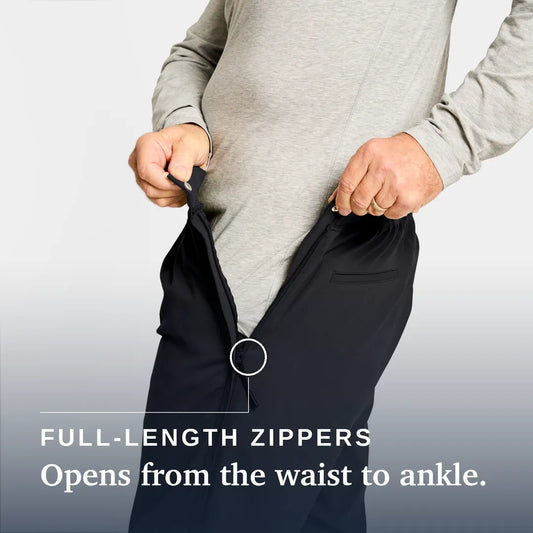
Adaptive clothing
Adaptive clothing is specially designed to make dressing easier, safer, and more comfortable for seniors. By reducing the physical effort required to get dressed, adaptive clothing helps seniors maintain independence, lowers the risk of falls, and improves overall daily comfort. It’s a practical daily living aid that supports both seniors and caregivers in managing everyday routines with ease.
Reaching and Gripping Tools
Long-handled reachers eliminate the need for bending or climbing to access items on high shelves or the floor. Similarly, jar openers, button hooks, and zipper pulls compensate for reduced hand strength, qualifying as truly useful items for elderly individuals dealing with limited mobility.
Adaptive Kitchen Equipment
Lightweight cookware, electric can openers, and cutting boards with raised edges make kitchen tasks manageable. These modifications allow seniors to continue preparing meals independently, which contributes significantly to nutrition and self-sufficiency.
Raised Toilet Seats and Bath Benches
Bathroom adaptations rank among the most impactful things useful for elderly safety. Raised toilet seats reduce the distance seniors need to lower and raise themselves, while shower benches allow for seated bathing, reducing fatigue and fall risk during personal care routines.
Creating a Well-Stocked Senior Living Space
When assembling useful things for elderly loved ones, consider their specific needs, living situation, and personal preferences. Not every senior requires every item on this list, but having a thoughtful selection of senior citizen essentials ensures easy living.
Start by assessing safety concerns, then address daily living challenges, and finally add comfort and quality-of-life improvements. Involve seniors in the decision-making process, as they're most familiar with their own struggles and preferences.
Remember that the goal isn't to take over tasks seniors can still manage independently but rather to provide supportive tools that extend their ability to care for themselves. The right essentials for elderly individuals don't just make life easier, they help seniors continue living life on their own terms for as long as possible.
Conclusion
Choosing the right essentials for elderly loved ones is about more than just purchasing products. It's about creating an environment where seniors can thrive.
The senior citizen essentials outlined in this guide represent a starting point for building a supportive living space.
By thoughtfully selecting from this list of useful things for elderly, you're showing love, respect, and commitment to ensuring the golden years are truly golden. Start with the basics, prioritize safety, and gradually add items that enhance comfort and quality of life.
Frequently Asked Questions (FAQs)
-
Everyday Gripper Socks 3-PackRegular price $44Regular priceUnit price per
$54Sale price $44Sale -
Everyday Side-Zip Pant for WomenRegular price $78Regular priceUnit price per
$108Sale price $78Sale -
Everyday Side-Zip Pants for MenRegular price $78Regular priceUnit price per
$108Sale price $78Sale