
Choosing a gift for someone with ALS can feel difficult, especially if you are unsure what would actually be useful.
ALS affects people differently, and needs can change over time. Progressive muscle weakness may make everyday activities such as dressing, reaching, gripping objects or communicating more difficult, but that does not mean every gift needs to focus on the diagnosis.
The best place to start is with the person. What do they enjoy? What have they mentioned becoming frustrating? Is there something that would make an everyday task easier without adding more work? Or would they simply appreciate something fun, personal or shared with family and friends?
Here are five thoughtful directions to consider.
1. Adaptive Clothing That Makes Dressing Easier

Getting dressed can become more physically demanding as strength and mobility change. Buttons, tight sleeves, overhead shirts and conventional pants may require more reaching, pulling or fine-motor control than they once did.
That can make adaptive clothing a practical gift when it addresses a specific dressing challenge.
Magnetic Shirts
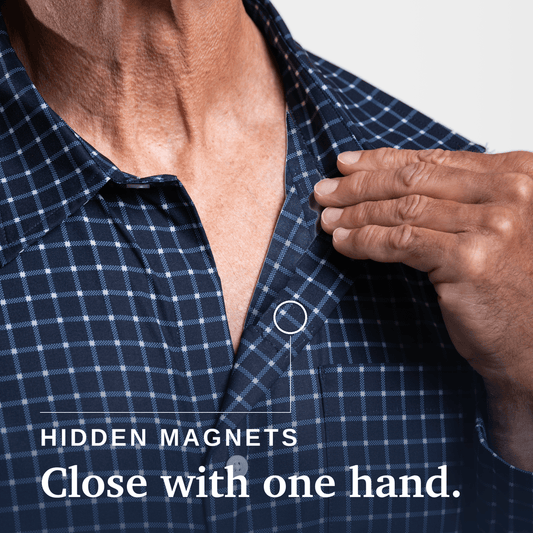
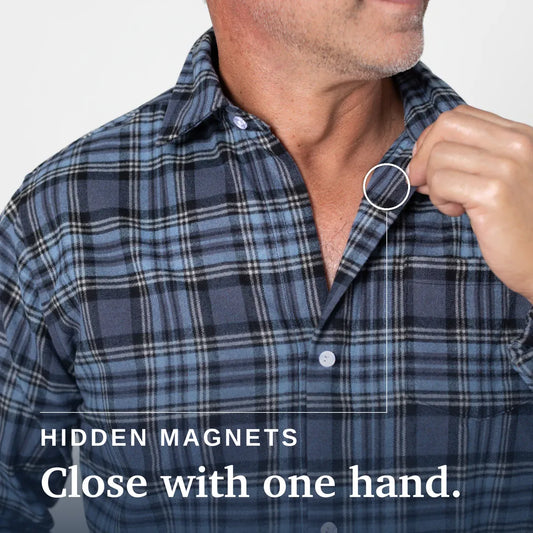
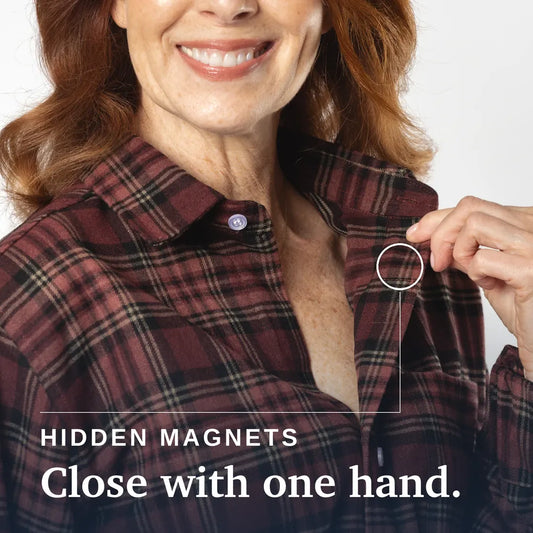
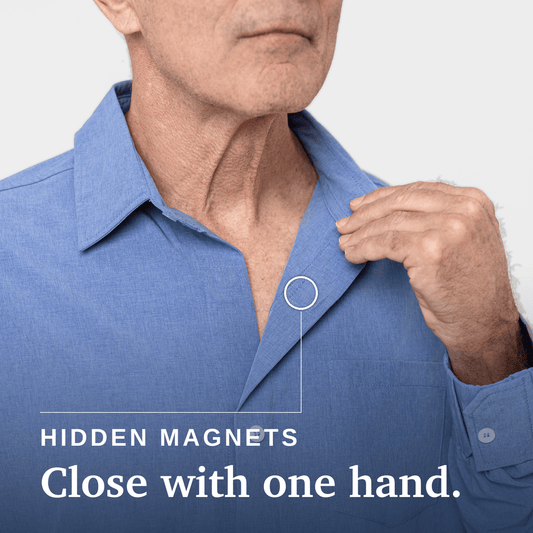
For someone who still likes the look of a traditional button-down but finds small buttons difficult, a magnetic shirt can preserve the familiar style while changing the fastening process.
Joe & Bella's magnetic button-downs use hidden magnetic closures behind a traditional-looking placket, reducing the amount of fine-motor manipulation needed to fasten the shirt.
Choose a color and fit based on what the person already likes to wear. Adaptive clothing should still feel like their clothing, not like something chosen solely because of ALS.
Important: Magnetic clothing may not be appropriate for someone with an implanted pacemaker or ICD. Follow guidance from the person's healthcare provider and device manufacturer.
Easier-Dressing Pants
Traditional pants can become more difficult when dressing requires stepping into narrow leg openings, balancing while pulling them up or managing small buttons and zippers.
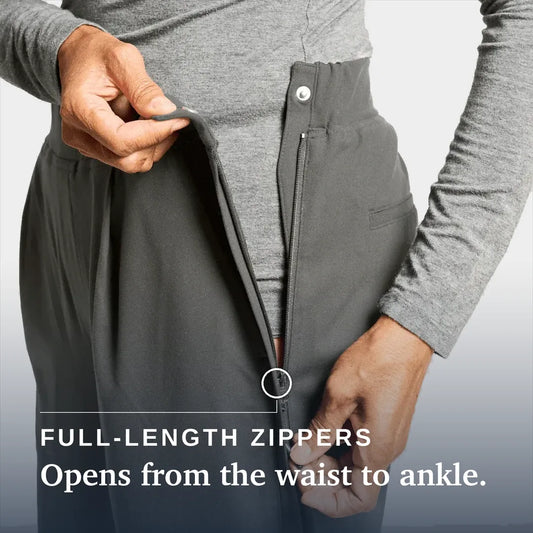
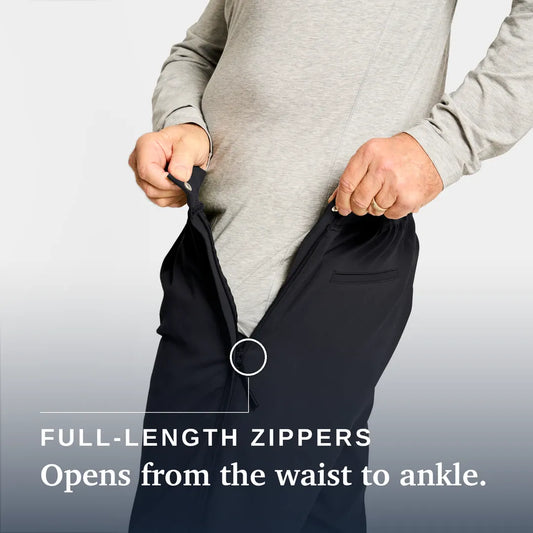
Joe & Bella's Everyday Side-Zip Pants use full-length two-way zippers along the outer seams, allowing the pants to open from the waist or hem. That can provide another way to get dressed when conventional pull-on dressing is difficult.
For someone receiving more hands-on assistance with dressing or personal care, CareZips® use two outer-seam zippers from waist to knee plus an inseam zipper running from knee to knee through the crotch.
The best option depends on how the person currently dresses and what part of the process is difficult.
Easier Layering Pieces
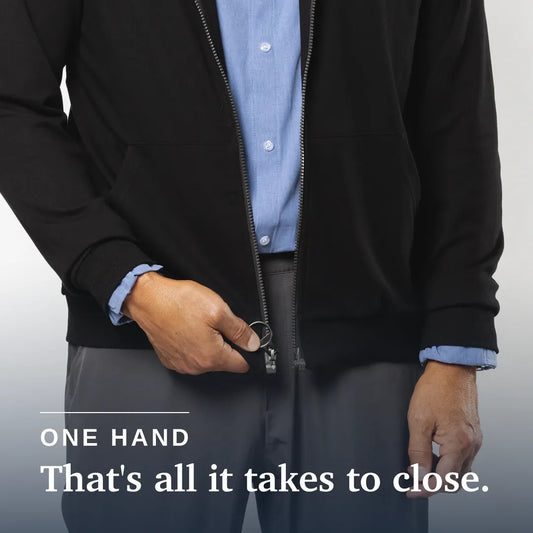
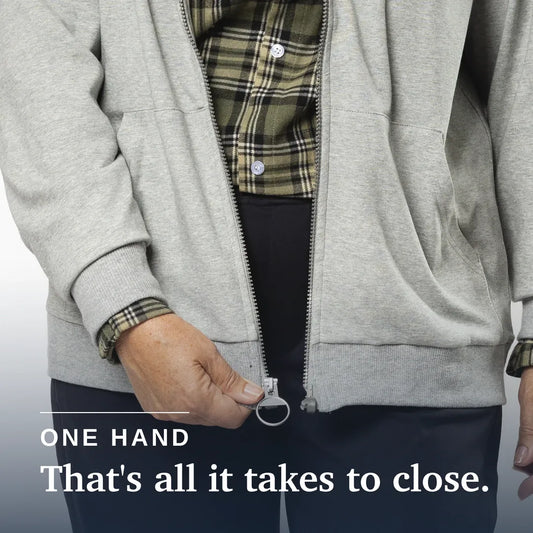
A cardigan, sweater or zip-up layer can also make a useful gift if conventional fasteners or overhead dressing have become frustrating.
Look for lightweight fabrics, easy-to-manage closures and styles that fit naturally into the person's existing wardrobe.
The goal is not simply "adaptive clothing." It is clothing they would want to wear that also happens to make dressing easier.
2. A Daily-Living or Dressing Aid for a Specific Task
Sometimes a small tool can be more useful than a large gift.
If someone has mentioned difficulty with a specific part of their routine, look for an aid designed around that exact task.
Examples might include:
- A long-handled shoehorn
- A dressing stick
- A zipper pull
- A sock aid
- Easy-grip utensils
- An adapted cup or drinking aid
- A tablet or phone stand
The key is specificity.
If reaching the feet has become difficult, a long-handled shoehorn may make sense. If manipulating a zipper is the problem, a larger zipper pull may be more useful.
Avoid buying a large assortment of assistive gadgets just because the person has ALS. A single product that solves a problem they have actually mentioned is far more likely to be used.
For more complex equipment, an occupational therapist can help identify tools that match the individual's abilities and daily routine.
3. Smart-Home or Accessible Technology
Technology can reduce the number of physical steps required for certain everyday tasks.
A voice-controlled smart speaker, for example, may allow someone to:
- Turn compatible lights on or off
- Adjust a compatible thermostat
- Play music
- Set reminders
- Create timers
- Check the weather
- Make certain calls
- Control other connected devices
For someone who has difficulty reaching switches, pressing small buttons or repeatedly handling a phone, that can be useful.
If you give smart-home technology as a gift, consider making the setup part of the present. Install the device, connect the services they want and configure the useful commands before you leave.
A device that is already working is much more valuable than another unopened box.
Communication technology deserves more individual consideration. ALS can affect speech, but the right communication system depends on the person's abilities and may change over time. Specialized communication devices are generally better selected with input from a speech-language pathologist or ALS care team rather than given as a surprise gift.
4. Entertainment, Hobbies and Ways to Stay Connected
A thoughtful ALS gift does not have to solve a physical problem.
Someone living with ALS is still the same person with the same interests, tastes and relationships.
Consider gifts connected to what they already enjoy:
- Audiobook subscriptions
- Streaming services
- Music
- Movies
- Digital photo frames
- Books or e-books
- Puzzles or games that fit their current abilities
- Hobby supplies
- Sports subscriptions
- Online classes
- Family photo books
A remotely updated digital photo frame can be particularly nice for someone whose family or friends live far away. Set it up ahead of time and have relatives send photos directly to it.
If a favorite hobby has become harder, think about whether there is a modified way to continue enjoying it rather than assuming it needs to be abandoned.
For example, someone who loves reading may enjoy audiobooks if holding a book has become tiring. Someone who loves music may appreciate a streaming subscription or tickets to a performance that is accessible to them.
Start with the interest, not ALS.
5. An Experience, Service or the Gift of Your Time
Some of the most useful gifts are not physical objects at all.
You might:
- Arrange meal delivery
- Plan a movie night
- Bring dinner from a favorite restaurant
- Organize transportation for an outing
- Help with a household project
- Set up technology
- Plan regular visits
- Attend a concert or event together
- Offer to handle a recurring errand
Be specific when offering help.
"Let me know if you need anything" puts the work back on the other person.
Instead, offer something concrete:
"I'd like to bring dinner Thursday. Would that be helpful?"
or:
"I can come over Saturday and help set up your smart-home devices."
That makes it easier to accept or decline without having to invent a task for you.
Time together can also simply be enjoyable. Watch a favorite movie, listen to music, have lunch, look through old photos or spend an afternoon talking.
A gift does not need to be practical to be meaningful.
Are Adaptive Clothes a Good Gift for Someone With ALS?
They can be, especially when conventional clothing has started requiring more effort than it used to.
Adaptive clothing may help when someone is having difficulty with:
- Small buttons
- Conventional zippers
- Pulling pants on or off
- Reaching overhead
- Bending or reaching the feet
- Dressing while standing
- Assisted dressing
But ALS alone is not a reason to give someone adaptive clothing.
Ask what has actually become difficult.
Someone who still dresses comfortably in their usual clothes may not need a different solution. Someone who loves button-down shirts but can no longer manage the buttons may find a magnetic version extremely useful.
The best adaptive gift solves a real problem without asking the person to give up their preferred style.
What Should You Avoid Giving Someone With ALS?
Be cautious with gifts that require medical or professional fitting.
Mobility devices, specialized seating, communication systems and other assistive equipment may need to be individually selected based on the person's current abilities and care plan.
Those items are usually better discussed with the person, caregiver or relevant clinician rather than purchased as a surprise.
I would also avoid products that promise to:
- Stop or reduce ALS symptoms
- Prevent falls
- Improve circulation
- Restore strength
- Slow disease progression
A gift should make life easier or more enjoyable without making medical promises it cannot support.
How to Choose the Right Gift
When deciding what to buy, ask a few questions.
What has the person actually said they need?
Listen for specific frustrations rather than guessing.
Does the gift fit their current abilities?
ALS can change over time, so something that was useful six months ago may not be the right choice today.
Will it require additional work?
A complicated device that needs extensive setup may be more burden than gift unless you handle that setup too.
Does it still feel personal?
The person has interests, tastes and preferences beyond ALS.
Would they rather have an experience than another object?
Sometimes dinner, music, time together or help with a project is the better gift.
Final Thoughts
The best gift for someone with ALS starts with knowing the person.
For one person, that might be a magnetic shirt that removes an annoying part of getting dressed. For another, it could be smart-home technology that makes everyday controls easier to access.
For someone else, the perfect gift may have nothing to do with ALS.
It might be a favorite meal, an audiobook subscription, music, family photos or an afternoon spent together.
Pay attention to what the person values, what they have said is becoming difficult and what would genuinely fit into their life.
That is what makes a gift useful without making the diagnosis the center of it.
Look for a different kind of gift guide? Check these ones out!
- Thoughtful Gifts for Parkinson's Patients
- Gifts for 80 and 90 Year Olds
-
Gifts for 70 Year Olds: Ideas for Her and Him
- Stocking Stuffers for Seniors
- Thoughtful Christmas Gifts for Older Parents and Grandparents
About Joe & Bella
Joe & Bella designs contemporary adaptive clothing for people who want dressing to be easier without sacrificing personal style. Explore our adaptive clothing for ALS to find shirts, pants and layering pieces designed around common dressing challenges.
A note from Joe & Bella: This article is for general informational purposes only and is not medical advice. ALS affects every person differently. For individualized recommendations about assistive devices, communication tools, mobility or daily-living equipment, consult the appropriate member of the person's healthcare team.
Frequently Asked Questions (FAQs)
-

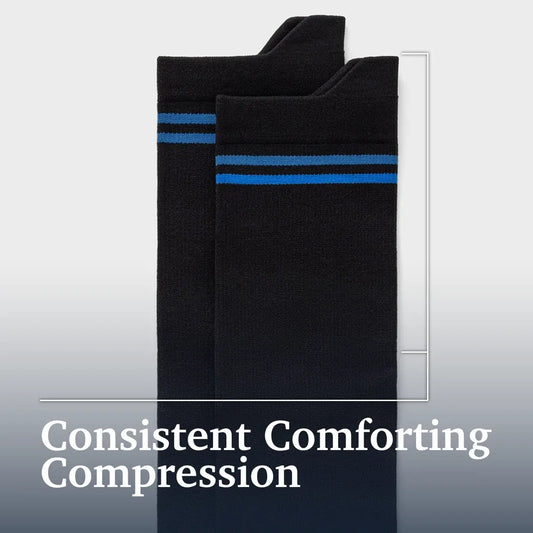 Black Friday SaleBig-Grip No-Slip Compression Socks: 3-PackRegular price $22Regular priceUnit price per
$54Sale price $22Black Friday Sale -

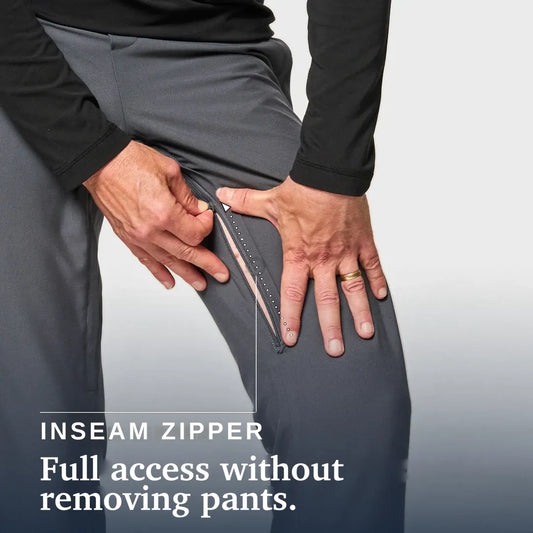 Black Friday SaleCareZips® Men's Access PantsRegular price $70Regular priceUnit price per
$108Sale price $70Black Friday Sale -

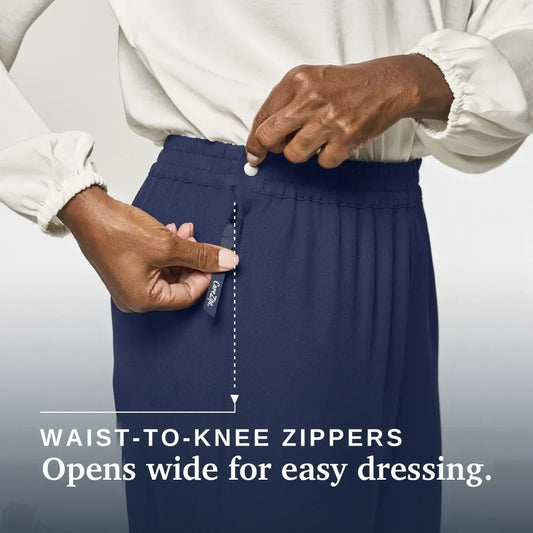 Black Friday SaleCareZips® Women's Access PantsRegular price $70Regular priceUnit price per
$108Sale price $70Black Friday Sale -

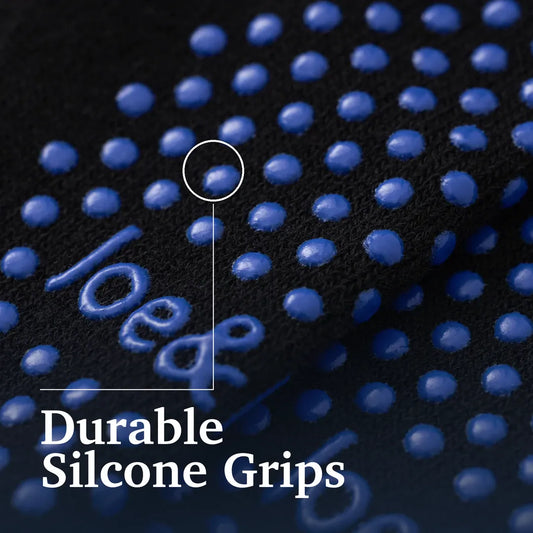 Black Friday SaleEveryday Gripper Socks 3-PackRegular price $35Regular priceUnit price per
$54Sale price $35Black Friday Sale -

 Black Friday SaleEveryday Magnetic Button-Down for Men | Tailored-FitRegular price $70Regular priceUnit price per
$108Sale price $70Black Friday Sale -

 Black Friday SaleEveryday Magnetic Flannel for MenRegular price $70Regular priceUnit price per
$108Sale price $70Black Friday Sale -

 Black Friday SaleEveryday Magnetic Flannel for WomenRegular price $70Regular priceUnit price per
$108Sale price $70Black Friday Sale -

 Black Friday SaleEveryday Side-Zip Pants for WomenRegular price $70Regular priceUnit price per
$108Sale price $70Black Friday Sale -

 Black Friday SaleEveryday Side-Zip Pants for MenRegular price $70Regular priceUnit price per
$108Sale price $70Black Friday Sale -

 Black Friday SaleHoodEase®: The Magnetic Zip-Up HoodieRegular price $70Regular priceUnit price per
$108Sale price $70Black Friday Sale -

 Black Friday SaleHoodEase®: The Magnetic Zip-Up Hoodie for WomenRegular price $70Regular priceUnit price per
$108Sale price $70Black Friday Sale -

 Black Friday SaleMagnetic Button-Down for Men | Relaxed-FitRegular price $70Regular priceUnit price per
$108Sale price $70Black Friday Sale -

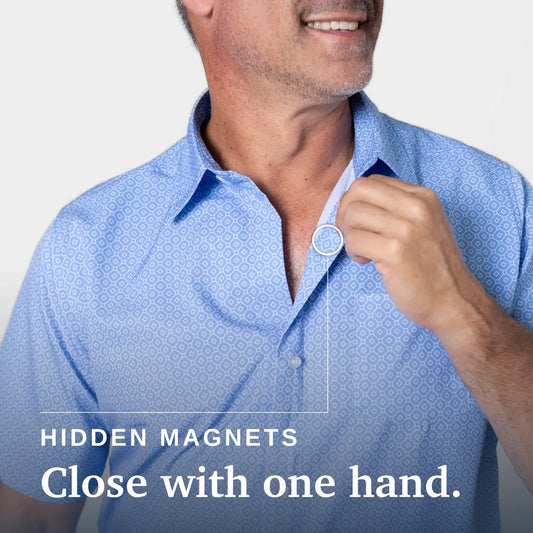 Black Friday SaleShort-Sleeve Everyday Magnetic-Button Shirt for MenRegular price $70Regular priceUnit price per
$108Sale price $70Black Friday Sale -

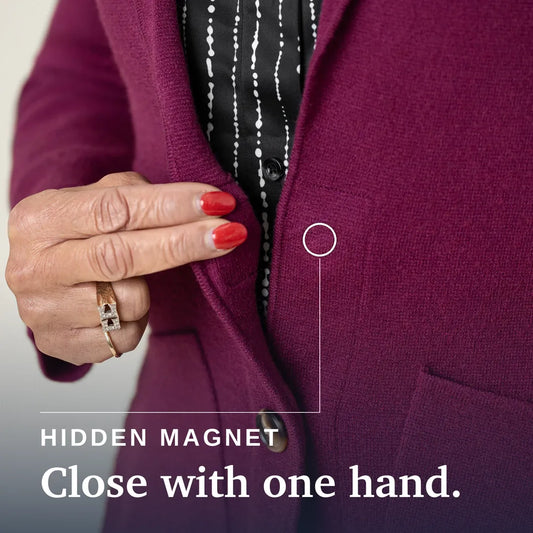 Black Friday SaleSignature Magnetic Cardigan for WomenRegular price $76Regular priceUnit price per
$118Sale price $76Black Friday Sale -

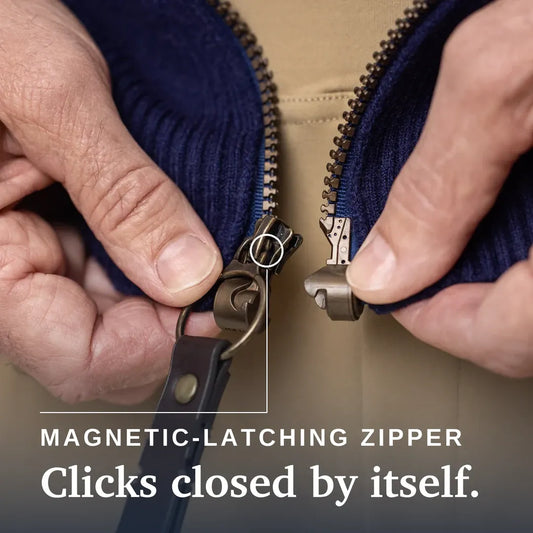 Black Friday SaleSignature Magnetic Zip-Up Sweater For MenRegular price $76Regular priceUnit price per
$118Sale price $76Black Friday Sale -

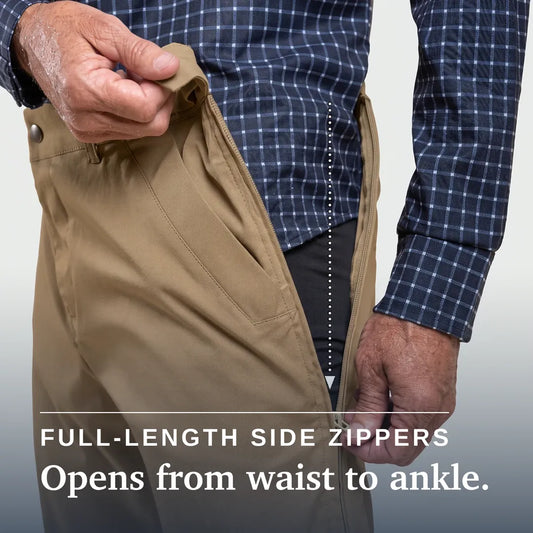 Black Friday SaleSignature Side-Zip Chinos for MenRegular price $76Regular priceUnit price per
$118Sale price $76Black Friday Sale


