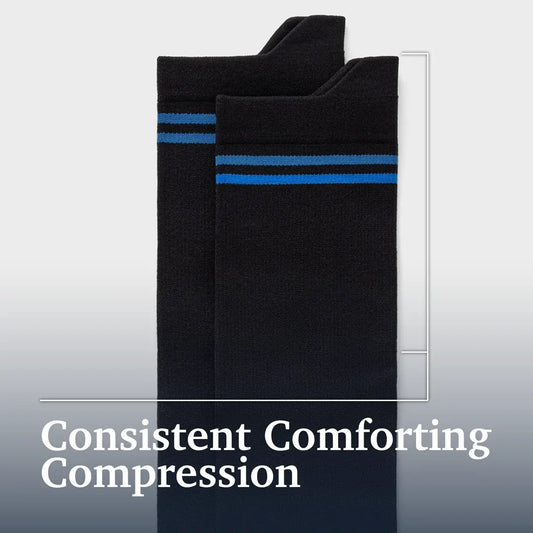
For most, sleeping in compression socks isn't needed unless advised by a doctor. If you're currently using compression socks or considering them, you might be wondering whether it's okay or even beneficial to wear them while you sleep. It's a really common question, and we're glad you're taking the time to learn about it. Understanding the right way to use compression socks can help you get the most benefit from them while keeping your legs healthy and comfortable.
Let's explore this topic together in a clear, helpful way so you can make the best decision for your individual situation.
What Generally Works Best?
For most people, sleeping in compression socks isn't necessary and generally isn't recommended. However, there are some specific situations where your healthcare provider might advise nighttime wear. The key is understanding why this is the case and whether you might be an exception.
We know that's not the most exciting answer, you probably wanted a simple yes or no! But your health deserves a thoughtful explanation, so let's dive deeper into the reasons behind this guidance.
Why Compression Socks Usually Aren't Needed at Night
Understanding the "why" behind this recommendation can help you feel more confident about your choices.
Gravity Works Differently When You're Lying Down
During the day, when you're standing or sitting, gravity makes it harder for blood to flow back up from your legs to your heart. This is where compression socks come in, they provide gentle pressure that helps your veins push blood upward against gravity.
However, when you're lying down in bed, your legs are roughly at the same level as your heart. Gravity isn't working against your circulation in the same way, so your blood can flow back to your heart much more easily without assistance. The compression that's so helpful during the day simply isn't as necessary when you're horizontal.
Your Legs Benefit from Rest
Just like the rest of your body, your legs appreciate having time to rest and recover. Wearing compression garments 24/7 doesn't give your skin and tissues a chance to breathe and relax. This break is actually quite important for your overall leg health and comfort.
Circulation Changes During Sleep
Your body's circulation patterns naturally change while you sleep. Your blood pressure tends to drop, and your circulation slows down a bit, this is all perfectly normal and healthy. Adding compression during this time usually isn't beneficial and could potentially interfere with your body's natural rhythms.
When to Wear Compression Socks to Bed
While the general guidance is to remove compression socks at night, there are some specific situations where your healthcare provider might recommend wearing them while you sleep. It's important to know about these exceptions:
After Certain Surgical Procedures
Some surgeries, particularly orthopedic procedures or surgeries that increase the risk of blood clots, may require you to wear compression garments around the clock for a period of time. Your surgeon will give you specific instructions about this, including how long you'll need to maintain nighttime wear.
During Certain Medical Treatments
Some medical conditions or treatments might require continuous compression. If you're undergoing treatment for certain circulatory conditions, your healthcare team might include nighttime compression as part of your care plan.
Post-Injury Recovery
Occasionally, after certain leg injuries, your doctor might recommend wearing compression socks while sleeping to help manage swelling and support healing during the initial recovery period.
The Important Point: If any of these situations apply to you, your healthcare provider will let you know. If they haven't specifically told you to wear compression socks at night, it's generally best not to.
The Potential Downsides of Sleeping in Compression Socks
It's helpful to understand what could happen if you regularly sleep in compression socks without medical guidance:
Reduced Effectiveness During the Day
If you wear compression socks 24/7, they might actually become less effective during the day when you need them most. Your body can benefit from the contrast between compression and non-compression periods.
Improper Positioning
While you sleep, compression socks might bunch up, slide down, or twist, which could create uncomfortable pressure points or reduce circulation rather than helping it. When you're awake, you can adjust them, but during sleep, these issues might go unnoticed.
Dependency Concerns
Some people worry about becoming too dependent on compression socks. While this isn't usually a medical issue, giving your legs regular breaks helps maintain their natural strength and function.
What to Do Instead for Better Nighttime Leg Health
If you're experiencing leg discomfort at night or are concerned about circulation while you sleep, there are some wonderful alternatives to compression socks that might help:
Elevate Your Legs
One of the most effective things you can do is elevate your legs while you sleep. Try placing a pillow or wedge under your legs so they're slightly raised above your heart level. This helps with circulation and can reduce swelling naturally, without compression.
Gentle Stretching Before Bed
Taking a few minutes to gently stretch your legs before bed can improve circulation and help prevent cramping. Simple ankle rotations, calf stretches, and leg extensions can make a real difference.
Stay Hydrated
Proper hydration throughout the day supports healthy circulation. Just remember to taper off your fluid intake in the evening so you're not waking up frequently during the night.
Massage Your Legs
A gentle leg massage before bed can help improve circulation and relax your muscles. You might even find it becomes a lovely, calming part of your bedtime routine.
What If You Accidentally Fall Asleep Wearing Them?
Please don't worry if you occasionally doze off while wearing compression socks! This happens to many people, and one night won't cause any harm for most individuals.
If you wake up and realize you're still wearing them, simply remove them gently. If you notice any discomfort, numbness, or if the socks have bunched up or twisted, take a moment to check your legs. A little gentle massage or moving your legs around can help restore normal circulation and comfort.
The key is not to make it a regular habit. Try to establish a routine where removing your compression socks becomes part of your evening wind-down, just like brushing your teeth.
Special Considerations for Different Situations
Let's address some specific scenarios where you might wonder about nighttime compression sock wear:
If You Work Night Shifts
Your "daytime" is different from most people's, and that's perfectly fine! Wear your compression socks during your active, working hours (even if that's at night), and remove them during your sleeping hours (even if that's during the day). It's about matching compression to your activity pattern, not the clock.
For Long-Haul Travel
If you're taking an overnight flight or long journey where you'll be trying to sleep, it's generally fine to keep compression socks on during that time since you're sitting upright rather than lying flat. Once you reach your destination and can lie down properly, you can remove them.
Signs That You Should Talk to a Healthcare Provider
We want to encourage you to reach out to a healthcare professional if you're experiencing any of these situations:
-
You feel like you need compression at night to manage pain or swelling
-
Your legs are significantly swollen when you wake up in the morning
-
You have persistent leg discomfort that isn't relieved by daytime compression sock use
-
You're unsure whether you should be wearing compression socks at all
-
You've been told to wear compression socks but aren't sure about the details
- You're experiencing numbness, tingling, or pain in your legs
Healthcare providers are wonderful resources who can assess your individual situation and provide personalized guidance. There's absolutely no question too small when it comes to your health and comfort.
Building Confidence in Your Routine
Making healthy choices about compression sock wear isn't complicated once you understand the basics. Here's what we hope you'll take away:
Trust the Pattern
For most people, the pattern is simple: compression during active, upright hours; rest during sleep. This rhythm supports your body's natural processes and gives you the benefits of compression when you need it most.
Listen to Your Body
Your body is actually quite good at telling you what it needs. If something feels uncomfortable or "off," pay attention to that feeling. Comfort and health should go hand in hand.
Don't Stress About Perfection
If you occasionally fall asleep in your compression socks or forget to put them on some mornings, that's completely okay. Consistency is helpful, but flexibility and self-compassion are important too.
Final Thoughts
The question of whether to sleep in compression socks has a straightforward answer for most people: it's generally not necessary or recommended. However, we understand that everyone's situation is different, and that's why we've tried to provide you with detailed information to help you make the best decision for yourself.
Your legs work hard for you every day, and they deserve proper care. Using compression socks wisely, during the day when they're most beneficial, and giving your legs a rest at night, is a wonderful way to support your leg health and overall well-being.
We hope this guide has been helpful and has given you clarity about nighttime compression sock wear. Remember, taking good care of yourself includes making informed decisions, listening to your body, and seeking professional guidance when you need it!
About the Author:
Nurse Taylor Thoen Donaldson is Joe & Bella's Chief of Customer Happiness and a former geriatric nurse. Known to our customers as "Nurse Taylor," she brings a frontline caregiver's perspective to everything we do, helping ensure our products hold up not just in concept, but in the daily reality of getting someone dressed with limited time, limited mobility, and a lot on the line. Have a question or a topic you'd like her to cover? Just reply to this email.
A note from Joe & Bella: Our content is intended for general informational purposes only. While we share insights from our own Nurse Taylor and other health and wellness experts, please know that they are not your healthcare provider and nothing here should be taken as medical advice, diagnosis, or treatment. Every person's situation is different. Please consult your own physician, nurse, or healthcare professional before making any decisions about your health or the care of a loved one.
Frequently Asked Questions (FAQs)
-
Big-Grip No-Slip Compression Socks: 3-PackRegular price $38Regular priceUnit price per
$54Sale price $38Sale