Adaptive clothing, designed to make dressing easier for people with disabilities, isn't a new trend. It has roots stretching back decades, evolving from home-sewn workarounds into a growing category of mainstream, stylish fashion. Here's how adaptive fashion history actually unfolded, and where the industry is headed next.
Adaptive Clothing Before It Had a Name
Long before "adaptive fashion" was a marketing term, disabled people and their families were already solving clothing problems themselves. Since people usually made their own clothes at home, these adaptive garments addressed needs on a personal level, through close collaboration between the wearer and their mother, local seamstress, or town patternmaker. There was no formal industry, just practical problem-solving passed down through communities.
That changed with the rise of mass manufacturing. Initially, garments were tailored to individual needs, but the Industrial Revolution changed that: mass manufacturing took precedence, leading to a neglect of inclusive fashion for those with disabilities.
The 1950s: Adaptive Fashion Gets Its First Real Movement

The real turning point came after World War II, when injured veterans and a changing culture around independence pushed adaptive design into the mainstream. The start of the adaptive fashion movement is credited to Helen Cookman and Virginia Pope. In 1955, Cookman began researching the market potential of adaptable clothing at New York University's Institute of Physical Medicine and Rehabilitation, after being recommended for the role by New York Times style editor Virginia Pope.
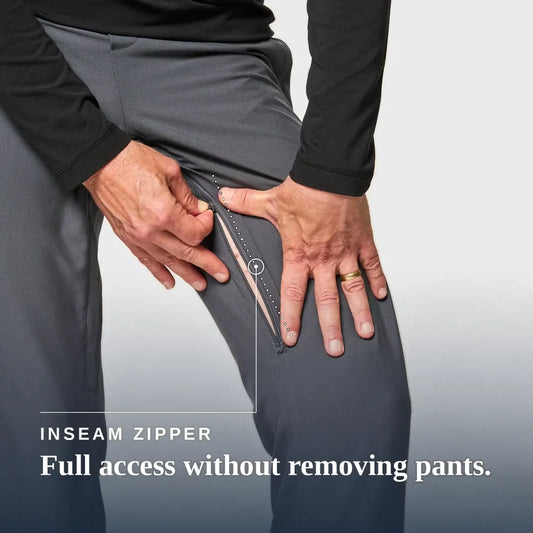
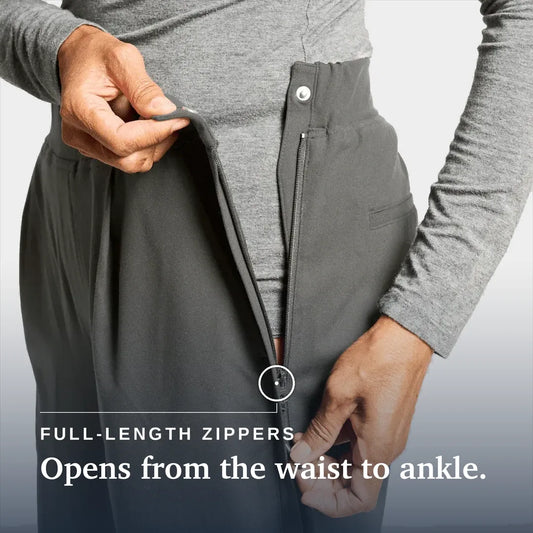
Cookman's work became the foundation of the industry as we know it. From 1955 through 1959, she developed Functional Fashions, a collection of 17 items to help disabled people dress independently, featuring blouse pleats, double fabric underarms to withstand wear from crutches, Velcro fastening, and side zippers. The collection also included a wrap-around dress, 15 years before Diane von Furstenberg's version, and patented trousers with full-length side seam zippers.
The response proved there was real demand for stylish, functional clothing. When Cookman's Functional Fashions collection debuted in 1959, more than 35,000 people and organizations rushed to place orders. In 1961, she went on to publish the field's foundational text: Functional Fashions for the Physically Handicapped, an illustrated guide co-written with Muriel E. Zimmerman.
At its peak, adaptive fashion had real traction in the industry. By the 1950s, nearly 30% of top USA designers had turned their attention to adaptive fashion. But the momentum didn't last; the movement declined after Cookman and her colleagues passed away.
Velcro: A Happy Accident That Changed Adaptive Design

One invention from this era ended up transforming adaptive clothing entirely, even though it wasn't originally designed for that purpose: Velcro, invented by Swiss engineer George de Mestral in the 1940s after he noticed how burrs stuck to his dog's fur. Its simple hook-and-loop fastening made dressing dramatically easier for people with limited dexterity, and it became a core feature of Cookman's Functional Fashions line and countless designs since.
The 1980s to 2000s: A Slow, Uneven Revival
Adaptive fashion didn't disappear entirely; it resurfaced periodically, though often without shaking off old stereotypes. The 1980s saw a resurgence in adaptive design, driven by caregiver demands, though many pieces still carried a medical stigma rather than embodying true style.
Broader social change eventually pushed things further. The disability rights movement of the late 20th century sparked conversations about accessibility in all aspects of life, including fashion, and the Americans with Disabilities Act (ADA) of 1990 helped raise awareness. By the early 2000s, the fashion world slowly started paying attention.
The Modern Era: Fashion Finally Meets Function

Representation on the runway marked a major shift for the industry. In 2007, Louisa Somerfield's Wheeliechix-Chic brand showcased collections at London Fashion Week with disabled models, emphasizing inclusion and representation. A few years later, in 2014, Mindy Scheier founded Runway of Dreams, advocating for stylish adaptive clothing and partnering with major brands like Tommy Hilfiger to enhance the mainstream acceptance of adaptive fashion.
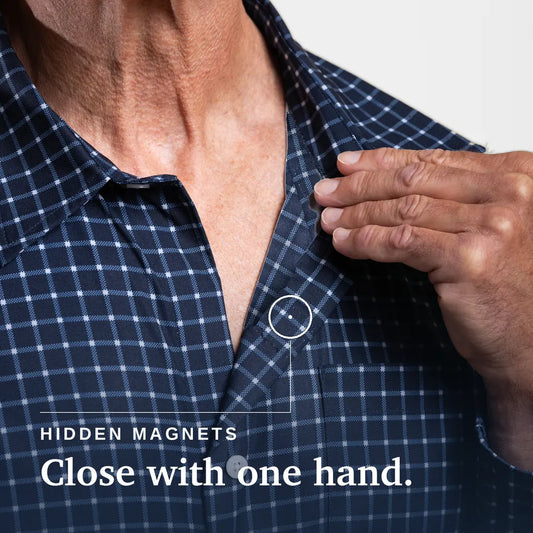
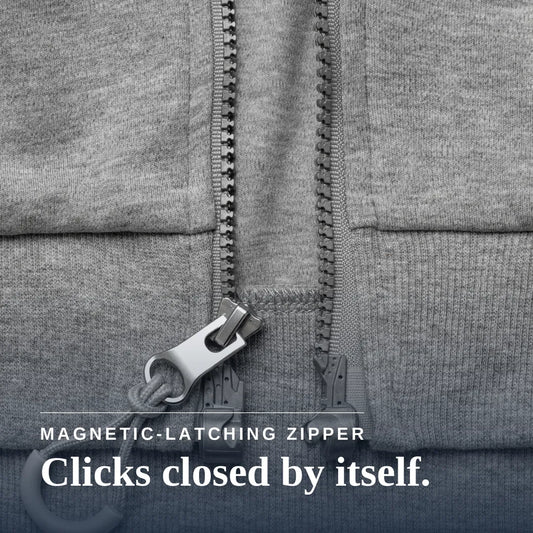
Today, big names have brought adaptive lines to a mass audience, with brands like Tommy Hilfiger, Nike, and Target launching adaptive lines offering everything from magnetic closures to wheelchair-friendly silhouettes, without sacrificing style. Tommy Hilfiger's own adaptive range illustrates how far the design details have come: it includes a fleece with a magnetic front closure, a top with velcro fastening at the shoulders for wide opening, and jeans with zip openings at the bottom of the legs for wide opening.
Modern adaptive clothing, now spearheaded by new innovative brands like Joe & Bella now regularly features magnetic closures, seamless Velcro systems, and stretch fabrics that combine comfort, ease of dressing, and style, proof that function and fashion are no longer at odds.
What's Next for Adaptive Fashion
The next frontier is technology. Smart fabrics that monitor body temperature, track health metrics, or offer therapeutic benefits are already being explored, promising to make adaptive clothing not just easier to wear, but genuinely beneficial for wearers' health.
The Bottom Line
Adaptive clothing isn't a recent invention. It's a decades-old movement that has moved in waves, from grassroots home-sewing solutions, to Helen Cookman's groundbreaking 1950s Functional Fashions line, to today's mainstream adaptive collections from major global brands. As the industry continues to grow, one thing is clear: fashion that works for every body isn't a niche, it's the future.
About the Author
Ben Graham is the VP of Marketing at Joe & Bella. He leads content creation and partnerships, bringing together caregiving, aging experts and adaptive-clothing experts so Joe & Bella customers are fully equipped with knowledge to help them on their aging and caregiving journeys. With deep experience in research and writing, Ben ensures that all content is accurate and backed by research.
-
CareZips® Men's Access PantsRegular price $78Regular priceUnit price per
$108Sale price $78Sale -
Everyday Magnetic Button-Down for Men | Tailored-FitRegular price $88Regular priceUnit price per
$98Sale price $88Sale -
Everyday Side-Zip Pant for WomenRegular price $78Regular priceUnit price per
$108Sale price $78Sale -
HoodEase®: The Magnetic Zip-Up Hoodie for WomenRegular price $98Regular priceUnit price per
$108Sale price $98Sale