For decades, the fashion industry has operated on a simple assumption: design for the "average" body, and everyone else will figure it out.
But what happens when you can't lift your arms high enough to pull a sweater over your head? When arthritis makes buttoning a shirt feel like solving a Rubik's cube? When a stroke leaves one side of your body weaker, turning getting dressed into a 45-minute ordeal?
For millions of people (seniors, people with disabilities, those recovering from surgery or injury) fashion hasn't just been inaccessible. It's been an afterthought.
That's changing. And the shift isn't just about inclusion. It's about innovation that benefits everyone.
What Is Adaptive Clothing?

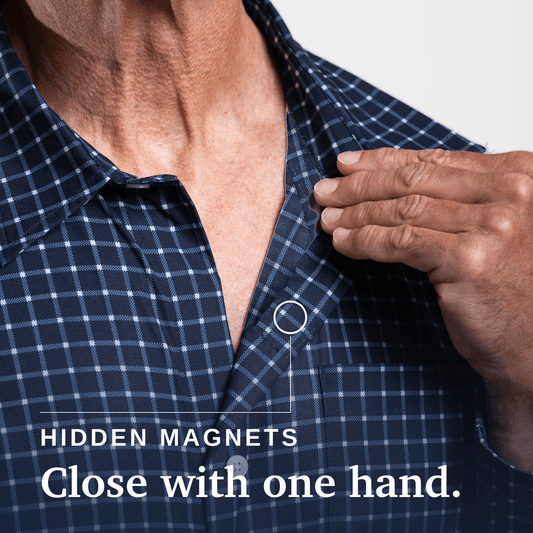
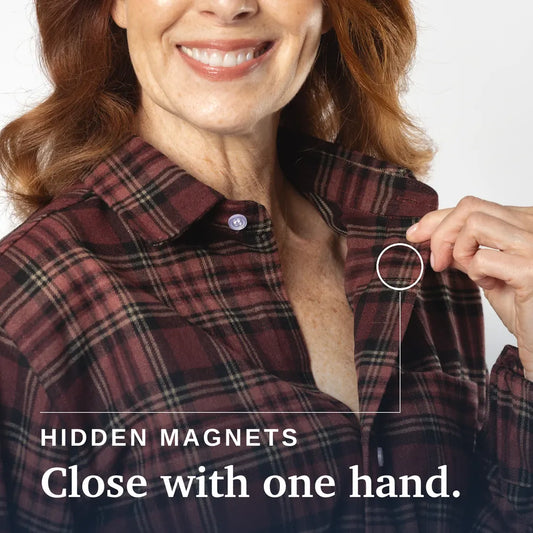
Adaptive clothing is apparel designed to make dressing easier for people with limited mobility, dexterity challenges, or specific physical needs. Think magnetic closures instead of buttons, side zippers instead of front flies, elastic waistbands that look like real pants, and seamless designs that prevent pressure sores for wheelchair users.
It's fashion that works with your body, not against it.
The concept isn't new. Occupational therapists and caregivers have been improvising solutions for years: cutting the backs of shirts to make them easier to put on, replacing shoelaces with Velcro, safety-pinning pants to make waistbands adjustable.
But now, mainstream brands are finally catching up. Tommy Hilfiger launched an adaptive line in 2016. Target followed in 2017. Nike introduced hands-free shoes. Even luxury brands are experimenting with inclusive design. Joe & Bella was founded by a father-son team during their caregiving experience in 2020.
The message is clear: adaptive apparel is no longer niche. It's the future.
Why Adaptive Design Matters Beyond Disability

Here's the thing: adaptive clothing isn't just for people with disabilities. It's for anyone who's ever struggled with clothing.
Parents dressing squirmy toddlers? Magnetic closures are a lifesaver.
Pregnant women? Elastic waistbands and stretchy fabrics make dressing comfortable without sacrificing style.
Athletes? Seamless designs reduce chafing. Easy-on, easy-off features speed up locker room changes.
Travelers? Wrinkle-resistant, quick-dry, easy-to-layer adaptive pieces are ideal for long flights and minimal packing.
Anyone recovering from surgery? Post-op clothing that doesn't require lifting your arms or bending over isn't just convenient. It's medically necessary.
Older adults living with normal, age-related changes? Adaptive clothing for seniors cooperates to make dressing easier for those with limited mobility. These clothes can provide and extend independence.
Adaptive design solves universal problems. The fashion industry is just starting to realize that designing for the margins actually improves the experience for everyone.
The Business Case for Adaptive Fashion
Let's talk numbers.
1 in 4 adults in the U.S. lives with a disability. That's 61 million people. The global population aged 60+ is expected to reach 2.1 billion by 2050. The adaptive clothing market is projected to exceed $400 billion globally by 2026.
This isn't a charity project. It's a massive, underserved market.
And yet, for years, brands ignored it. Why? Because the fashion industry has historically equated "disability" with "medical": sterile, institutional, unstylish. Adaptive clothing was relegated to medical supply catalogs, not runways.
But consumers with disabilities want the same things everyone else does: style, quality, self-expression. They don't want "special" clothing. They want clothing that works.
Brands that understand this are winning. Tommy Hilfiger's adaptive line generated significant media buzz and customer loyalty. Target's adaptive collection sold out repeatedly. Independent brands like Joe & Bella, Magna Ready, and Reboundwear are building loyal communities.
The future of fashion isn't about designing for one "ideal" body. It's about designing for all bodies.
What True Inclusive Design Looks Like

Adaptive fashion at its best doesn't scream "this is medical clothing." It's subtle, stylish, and functional.
Magnetic closures that look like regular buttons but snap together effortlessly.
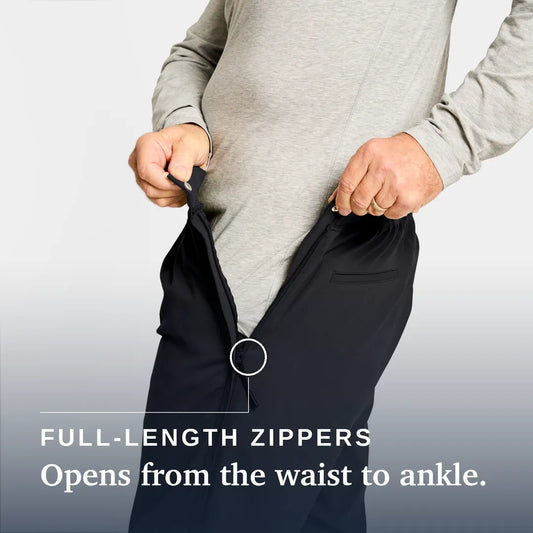
Side zippers hidden in seams so pants look normal but are easier to put on while seated.
Adjustable hems and cuffs that accommodate braces, casts, or prosthetics without custom tailoring.
Tagless, flat-seam construction that prevents irritation for people with sensory sensitivities or who spend long hours seated.
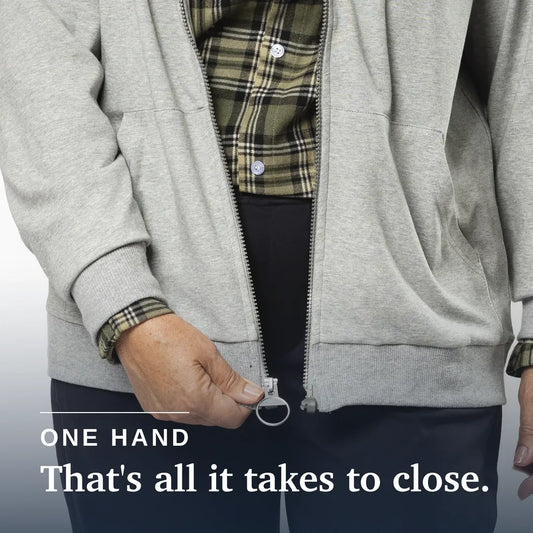
One-handed closures for people with limited use of one hand due to stroke, Parkinson's, or injury.
The best adaptive designs are invisible. They don't look like "special needs" clothing. They just work better.
The Cultural Shift: From Pity to Pride
For too long, conversations about disability and fashion were rooted in pity. "Look at this poor person who can't dress themselves."
That narrative is dying.
Today, disability activists and influencers are reframing the conversation around autonomy, dignity, and style. Social media has amplified voices that were previously ignored. Models with disabilities are walking runways. Designers with lived experience are launching brands.
Adaptive fashion isn't about "helping the less fortunate." It's about removing barriers that shouldn't have existed in the first place.
And it's about recognizing that disability is part of the human experience. Most of us, if we live long enough, will experience some form of mobility limitation, whether through aging, injury, or illness. Designing clothing that accommodates those realities isn't radical. It's common sense.
What's Next?
The future of adaptive fashion will be defined by three trends:
1. Mainstream Integration
Adaptive features will become standard, not separate. Brands won't have "adaptive lines." They'll just build accessibility into everything they make. Magnetic closures, adjustable waists, and easy-on designs will be options across all collections.
2. Technology-Driven Innovation
Expect smart fabrics that adjust to body temperature, 3D-printed garments customized to individual bodies, and wearable tech integrated seamlessly into adaptive clothing. The intersection of fashion and assistive technology is just beginning.
3. Co-Design with the Disability Community
The best adaptive clothing is designed with people with disabilities, not for them. Brands that prioritize co-design, hire designers with disabilities, and listen to their customers will lead the market.
Why This Matters
Fashion is more than fabric. It's identity. It's confidence. It's how we present ourselves to the world.
When clothing is inaccessible, it strips away autonomy. It forces people to rely on caregivers for something as basic as getting dressed. It limits job opportunities, social engagement, and self-expression.
Adaptive fashion restores that autonomy. It says: you deserve to feel good in what you wear. You deserve clothing that works for your body. You deserve style, not just function.
The future of fashion is adaptive because the future of fashion is human-centered. It's about designing for real bodies, real lives, real needs.
And honestly? It's about time.
The fashion industry has spent a century chasing an impossible ideal. Maybe it's time to design for reality instead.
About the Author
JImmy Zollo is the co-founder of Joe & Bella, the first contemporary adaptive apparel brand for older adults. He spent nearly a decade caring for and advocating for both of his grandparents. Jimmy previously conducted aging research on behalf of AARP. He's the recipient of the Turn the Page on Age Award and the John Hopper Impact Award for his work advocating for aging adults.
You can read more from Jimmy. Here are some additional learnings he gained after caring for his parents in assisted living.
-
Everyday Magnetic Button-Down for Men | Tailored-FitRegular price $88Regular priceUnit price per
$98Sale price $88Sale -
Everyday Magnetic Flannel for WomenRegular price $78Regular priceUnit price per
$98Sale price $78Sale -
Everyday Side-Zip Pants for MenRegular price $78Regular priceUnit price per
$108Sale price $78Sale -
HoodEase®: The Magnetic Zip-Up Hoodie for WomenRegular price $98Regular priceUnit price per
$108Sale price $98Sale