Creating a Comprehensive Home Safety Plan
Written by Taylor Thoen Donaldson, RN, Joe & Bella's Chief Customer Happiness Officer

Making a home safer for seniors is not a one-time checklist—it's an ongoing process that evolves as mobility, vision, and health needs change.
As we age, the home we've lived in for decades can quietly transform into a landscape of hidden hazards. Simple daily activities—walking to the bathroom at night, stepping out of the shower, or bending down to pick up the mail—suddenly carry serious risks.
Falls are the leading cause of injury and death among older adults. According to the CDC, one in four Americans aged 65 and older falls each year, and many of these falls happen at home. The good news? Most falls are preventable with thoughtful environmental modifications and the right safety strategies.
Creating a safer home for aging loved ones doesn't require a complete renovation. Small, strategic changes can dramatically reduce fall risk, support independent living, and provide peace of mind for both seniors and their families.
Here are five proven ways for how to make a home safer for seniors.
1. Eliminate Tripping Hazards Throughout the Home
The most common culprits behind senior falls are objects and obstacles we walk past every day without a second thought.
What to Remove or Secure:
- Loose rugs and mats: Area rugs, bath mats, and throw rugs can bunch, slide, or catch on walkers and canes. Remove them entirely or secure them with heavy-duty, non-slip rug pads or double-sided carpet tape.
- Electrical cords and cables: Route cords along walls using cord covers or cable management clips. Never let them stretch across walkways or doorways.
- Clutter on floors: Shoes, magazines, pet toys, and storage boxes should never sit in high-traffic areas. Keep floors and hallways completely clear.
- Uneven thresholds: Raised door thresholds between rooms can be invisible tripping hazards, especially for those with shuffling gaits or vision impairment. Install threshold ramps or mark them with bright, contrasting tape.
Why This Matters:
Vision naturally declines with age, and depth perception becomes less reliable. What looks like a flat surface to a younger person may appear ambiguous to an older adult. Clearing pathways reduces cognitive load and allows seniors to move confidently through their homes.
2. Improve Lighting in Every Room
Poor lighting is a silent contributor to falls, disorientation, and accidents. Many older homes were designed with dim overhead fixtures that leave corners, stairways, and hallways in shadow.
Where to Add or Upgrade Lighting:
- Stairways: Install bright overhead lights at the top and bottom of every staircase. Add motion-sensor lights so stairs are automatically illuminated when approached.
- Hallways and entryways: Use bright LED bulbs and consider motion-activated nightlights that guide seniors safely from the bedroom to the bathroom during nighttime trips.
- Bathrooms: Ensure even, shadow-free lighting. Avoid relying solely on a single overhead fixture; add sconces near mirrors and inside shower stalls.
- Bedside lighting: Install easy-to-reach lamps or touch-activated lights on nightstands so seniors never have to navigate in the dark.
Pro Tip:
Replace standard light switches with illuminated rocker switches or install glow-in-the-dark switch plates. This makes it easier to find light controls quickly, especially during nighttime emergencies.
3. Make the Bathroom Slip-Proof and Accessible
The bathroom is the most dangerous room in the house for seniors. Wet, slippery surfaces combined with the physical demands of bathing and toileting create a perfect storm for falls and injuries.
Essential Bathroom Safety Modifications:
- Install grab bars: Place sturdy, professionally installed grab bars inside the shower, next to the toilet, and along the bathtub. Avoid suction-cup bars, which can fail under pressure.
- Use non-slip mats: Place textured, non-slip mats inside the tub or shower. Choose mats with strong suction cups that won't shift during use.
- Add a shower chair or bench: A stable shower seat allows seniors to bathe while seated, eliminating the need to stand on slippery surfaces.
- Upgrade to a walk-in shower or tub: If budget allows, replace traditional tubs with zero-threshold walk-in showers. This removes the dangerous step-over barrier entirely.
- Raise the toilet seat: Install a raised toilet seat or a toilet safety frame with armrests to reduce the strain of sitting down and standing up.
Why This Matters:
Balance naturally declines with age, and many seniors take medications that cause dizziness or lightheadedness. A momentary loss of balance on a wet bathroom floor can result in life-altering hip fractures or head injuries.
4. Secure Stairs and Add Handrails
Stairs are one of the highest-risk areas in any home. Even a single step, like the one leading from a garage into the house, can be treacherous for someone with limited mobility or vision.
How to Make Stairs Safer:
- Install sturdy handrails on both sides: Handrails should run the full length of the staircase and extend slightly beyond the top and bottom steps. They should be easy to grip and securely mounted.
- Mark the edges of steps: Use brightly colored, non-slip adhesive tape along the edge of each step to improve visibility and provide tactile feedback.
- Ensure even, adequate lighting: Illuminate the entire staircase from top to bottom. Avoid shadows or glare that can distort depth perception.
- Remove or secure stair runners: If you have carpeted stairs, make sure the carpet is tightly secured with no loose edges. Replace worn or frayed carpet immediately.
- Consider a stair lift: For seniors with severe mobility limitations, a motorized stair lift can eliminate the need to navigate stairs entirely.
Pro Tip:
Paint the top and bottom steps in a contrasting color to make transitions more visually obvious, especially for seniors with low vision or cognitive impairment.
5. Dress for Safety: Adaptive Clothing and Footwear
While most home safety advice focuses on environmental modifications, what seniors wear on their bodies is just as critical to fall prevention. Ill-fitting clothing, unsafe footwear, and difficult closures can directly contribute to trips, slips, and loss of balance.
The Hidden Dangers of Traditional Clothing:
- Long, loose pants or robes: Hems that drag on the floor can catch under feet or walkers, causing dangerous trips.
- Slippery socks or going barefoot: Smooth-soled socks offer zero traction on hardwood, tile, or laminate floors. Walking barefoot reduces stability and increases injury risk from sharp objects.
- Poorly fitting shoes: Shoes that are too loose, too tight, or lack proper support can throw off gait and balance.
How Adaptive Clothing Improves Safety:
Non-Slip Gripper Socks
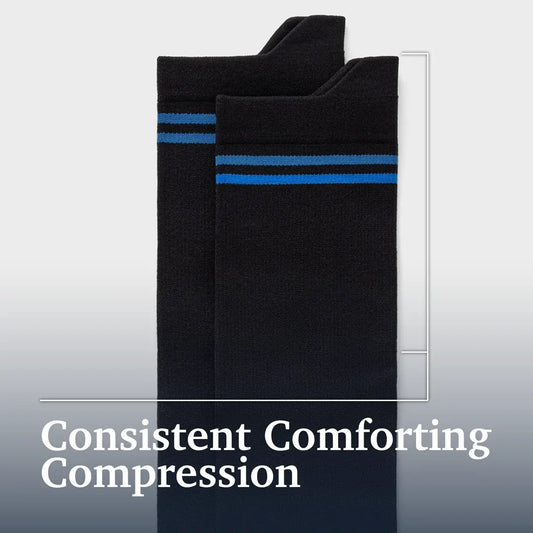
One of the simplest and most effective fall-prevention tools is a pair of high-quality non-slip gripper socks. These socks feature rubberized treads on the soles that provide secure traction on slick indoor surfaces like tile, hardwood, and linoleum.
Gripper socks are especially important for seniors who:
- Shuffle their feet when walking
- Use walkers or canes
- Take medications that cause dizziness
- Get up frequently during the night to use the bathroom
Unlike regular socks, gripper socks stay firmly in place and prevent dangerous slips, giving seniors the confidence to move safely around their homes.
Properly Fitted, Easy-to-Manage Clothing
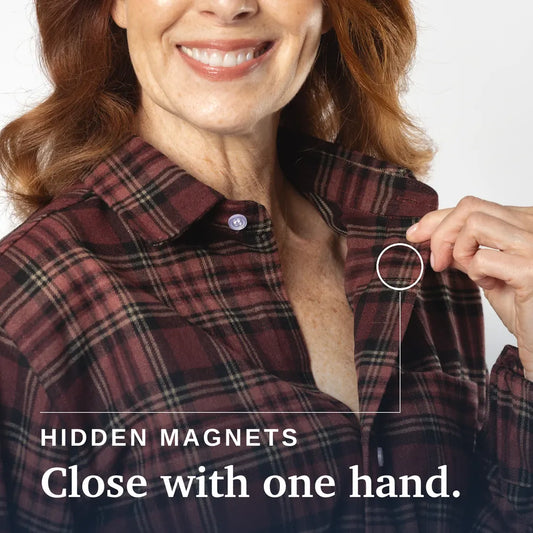
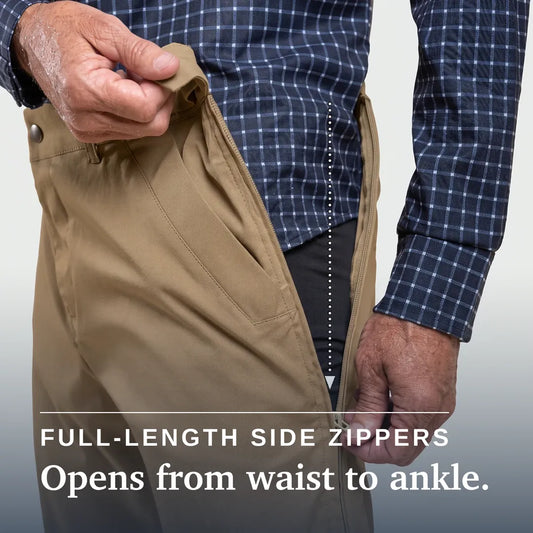
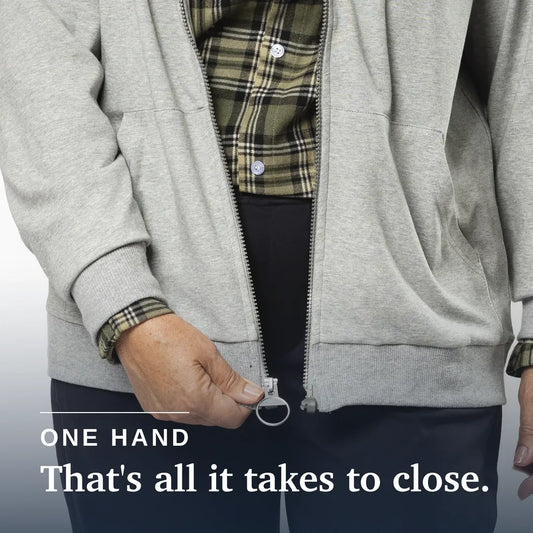
Adaptive clothing is designed to eliminate dressing struggles and physical strain, which indirectly reduces fall risk. Features like elastic waistbands, magnetic closures, and side-zip pants allow seniors to dress independently while seated, reducing the need to stand on one leg, twist awkwardly, or lose balance.
Key adaptive features for safety:
- Shorter hemlines: Pants and robes designed with proper inseam lengths prevent fabric from dragging on the floor.
-
Elastic waistbands: Easy pull-on pants eliminate the need to bend, twist, or stand unsupported while dressing.
- Explore: men's elastic waist pants and women's elastic waist pants
- Magnetic closures: Seniors with arthritis or tremors can fasten shirts independently without struggling with tiny buttons, reducing frustration and the temptation to rush.
When dressing becomes easier and less physically demanding, seniors are less likely to experience fatigue, dizziness, or loss of balance during the process.
Creating a Comprehensive Home Safety Plan
Making a home safer for seniors is not a one-time checklist—it's an ongoing process that evolves as mobility, vision, and health needs change.
Steps to Get Started:
- Conduct a room-by-room safety audit: Walk through the home with fresh eyes, looking for hazards at floor level, on stairs, and in high-traffic areas.
- Prioritize high-risk areas first: Focus on the bathroom, stairs, and bedroom—the locations where most falls occur.
- Involve the senior in decision-making: Respect their autonomy and preferences. Small changes they agree to are more likely to be used consistently.
- Consult with an occupational therapist (OT): A professional home safety assessment can identify risks you might overlook and provide personalized modification recommendations.
- Revisit safety measures regularly: As physical abilities change, new modifications may be needed.
Small Changes, Life-Changing Results
Falls are not an inevitable part of aging. With thoughtful environmental modifications, improved lighting, bathroom safety upgrades, secure stairways, and the right adaptive clothing and footwear, seniors can continue to live independently, safely, and confidently in the homes they love.
At Joe & Bella, we believe that safety and dignity go hand in hand. Our adaptive clothing and non-slip gripper socks are designed to support independent living while reducing fall risk—without sacrificing comfort or style.
Explore our full collection of adaptive apparel and safety essentials designed to help seniors live safer, more independent lives.
- Conduct a room-by-room safety audit: Walk through the home with fresh eyes, looking for hazards at floor level, on stairs, and in high-traffic areas.
- Prioritize high-risk areas first: Focus on the bathroom, stairs, and bedroom—the locations where most falls occur.
- Involve the senior in decision-making: Respect their autonomy and preferences. Small changes they agree to are more likely to be used consistently.
- Consult with an occupational therapist (OT): A professional home safety assessment can identify risks you might overlook and provide personalized modification recommendations.
- Revisit safety measures regularly: As physical abilities change, new modifications may be needed.
Small Changes, Life-Changing Results
Falls are not an inevitable part of aging. With thoughtful environmental modifications, improved lighting, bathroom safety upgrades, secure stairways, and the right adaptive clothing and footwear, seniors can continue to live independently, safely, and confidently in the homes they love.
At Joe & Bella, we believe that safety and dignity go hand in hand. Our adaptive clothing and non-slip gripper socks are designed to support independent living while reducing fall risk—without sacrificing comfort or style.
Explore our full collection of adaptive apparel and safety essentials designed to help seniors live safer, more independent lives.
About the Author:
Frequently Asked Questions (FAQs)
-
Big-Grip No-Slip Compression Socks: 3-PackRegular price $38Regular priceUnit price per
$54Sale price $38Sale -
Everyday Gripper Socks 3-PackRegular price $48Regular priceUnit price per
$54Sale price $48Sale -
Everyday Magnetic Flannel for WomenRegular price $78Regular priceUnit price per
$98Sale price $78Sale -
Everyday Magnetic Button-Down for Men | Tailored-FitRegular price $88Regular priceUnit price per
$98Sale price $88Sale -
Signature Side-Zip Chinos for MenRegular price $108Regular priceUnit price per
$118Sale price $108Sale -
HoodEase®: The Magnetic Zip-Up Hoodie for WomenRegular price $98Regular priceUnit price per
$108Sale price $98Sale