By Taylor Donaldson, RN

In my years as a geriatric nurse, I noticed something about getting dressed that doesn’t show up on any chart. When someone began needing help, the hardest part usually wasn’t the buttons or zippers. It was the feeling that came with needing that help.
Getting dressed is one of the first things we learn to do independently. Think about the pride of a child saying, “I did it myself.” Decades later, that same routine can become more difficult because of changes in mobility, balance, memory, hand strength or dexterity. But the emotional importance of getting dressed doesn’t disappear.
What we wear is personal. It’s how we prepare for the day, how we express ourselves and part of how we maintain our identity. When getting dressed becomes difficult, some older adults may start avoiding certain clothes, relying more heavily on others or even going out less often because getting ready feels like too much work.
If you’re helping someone you love, the goal isn’t simply to dress them. It’s to help them keep doing as much as they can for themselves, and to preserve their dignity when they need assistance.
Why Getting Dressed Can Become More Difficult With Age
Traditional clothing asks the body to do more than we often realize. Buttons require fine-motor control. Zippers require grip and coordination. Pulling a shirt over the head requires shoulder mobility, while putting on pants may involve bending toward the feet, lifting the legs and balancing while pulling the waistband into place.
For someone experiencing arthritis, limited mobility, tremors, weakness or cognitive changes, those movements can make a familiar routine much harder.
The first step is to notice exactly where the difficulty occurs. Someone may be able to put on a shirt independently but struggle with buttons. Another person may have no trouble with fasteners but find it painful to bend down far enough to put on pants.
Once you understand the specific challenge, it becomes much easier to offer the right kind of help.
Offer a Choice, Not an Entire Closet
Choice matters, but too many choices can sometimes make getting dressed more overwhelming.
Instead of asking, “What do you want to wear today?” try holding up two shirts and asking, “Would you rather wear this one or this one?”
The decision still belongs to them. You’re simply reducing the number of steps required to make it.
This can be especially helpful for someone experiencing memory or cognitive changes, but it can also make mornings easier for anyone who feels overwhelmed by the dressing process.
Let Them Do What They Can
One of the easiest mistakes to make is helping too quickly.
You see someone struggling with a button, so you fasten it. They’re taking a long time pulling up their pants, so you step in. It feels helpful, but over time, doing every difficult step for someone can quietly take away opportunities to use the abilities they still have.
If it’s safe, give them the extra time.
Let them complete the parts of the routine they can manage, and step in when they ask for help or when frustration begins to take over. Independence doesn’t always mean doing the entire task alone. Sometimes it means continuing to participate in as much of the task as possible.
Lay Clothes Out in the Order They Go On
A small change in the environment can make dressing easier.
Instead of placing a pile of clothes on the bed, lay the garments out in the order they’ll be worn. Underwear first, then pants, shirt, sweater and socks.
This removes the need to remember what comes next and can make the routine feel less like a puzzle. It may be especially helpful for someone who becomes distracted or confused during dressing.
It also allows a family member or professional care partner to provide guidance without completely taking over.
Protect Their Privacy
When someone begins needing help with personal care, privacy can disappear surprisingly quickly.
Close the door. Keep a robe or towel nearby. Cover parts of the body that aren’t currently being dressed, and try talking about something other than the task itself while you help.
These may seem like small gestures, but they send an important message: you are still an adult, not a patient or a task to be completed.
Dignity often lives in those small details.
Keep the Clothes They Love
Clothing carries memories.
A favorite sweater may remind someone of family holidays. A certain shirt might be what they always wore to dinner with friends. A scarf may have been part of their style for decades.
Those preferences don’t disappear simply because dressing becomes more difficult.
If a favorite garment has become hard to put on, don’t automatically remove it from the wardrobe. Help with that particular item when needed, or look for a similar style with features that make dressing easier.
The goal should be to preserve familiarity and personal style whenever possible.
Choose Clothes That Do Some of the Hard Work

Sometimes the right clothing can quietly make a morning much easier.
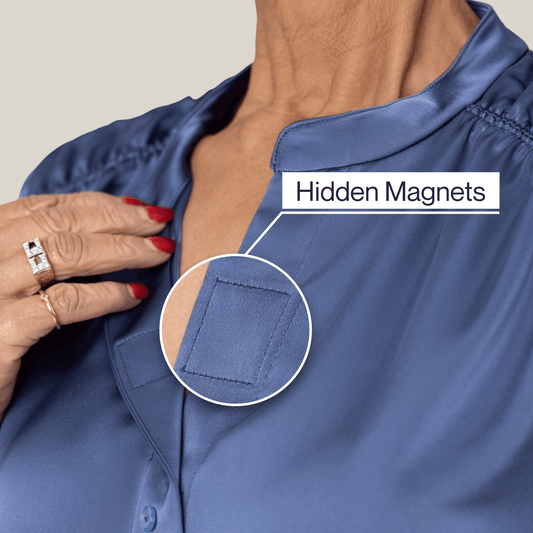
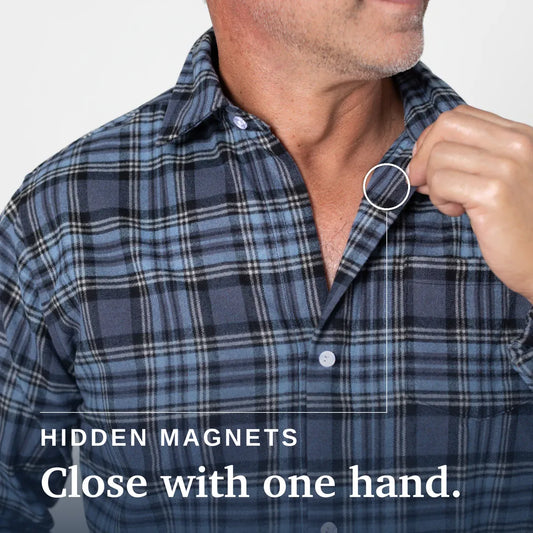
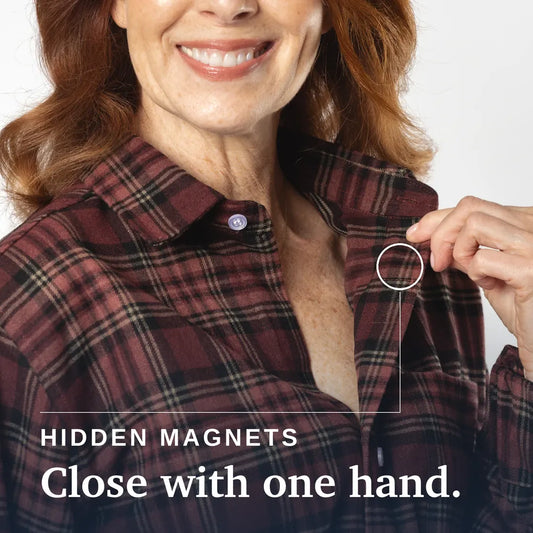
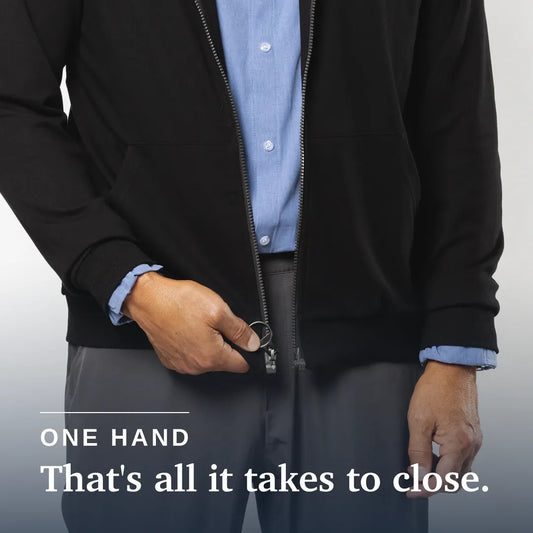
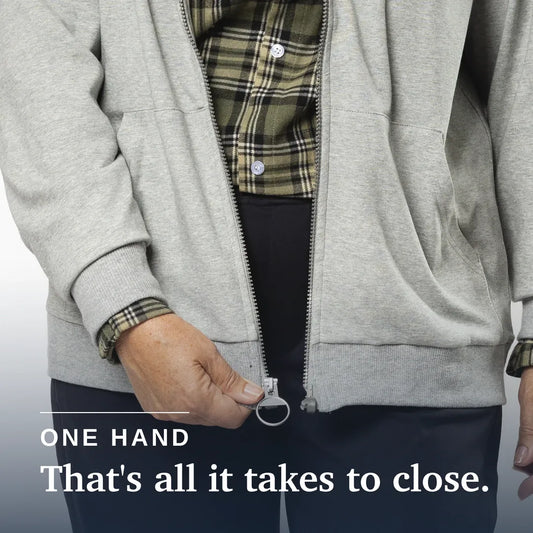
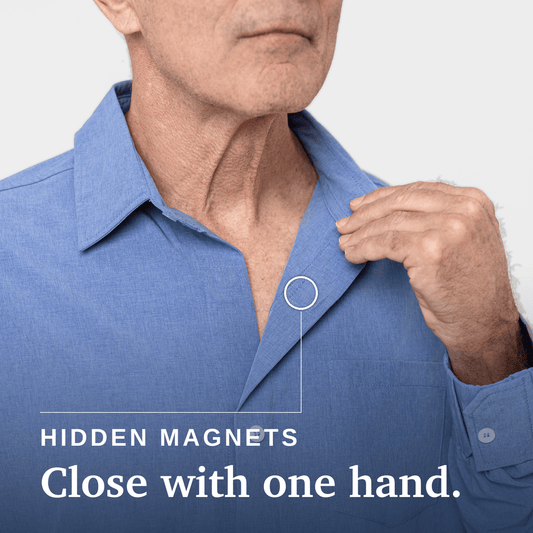
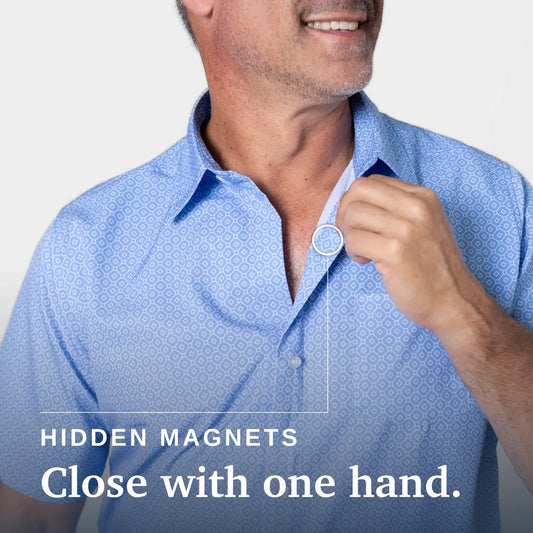
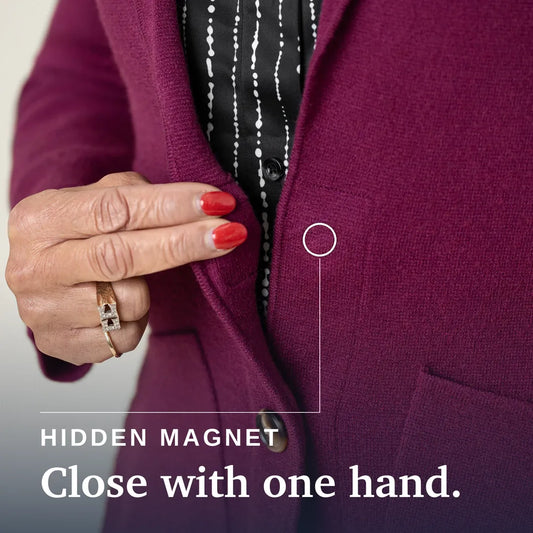
If small buttons have become difficult to manage, magnetic button shirts can preserve the familiar look of a traditional button-down while reducing the fine-motor work required to fasten it.
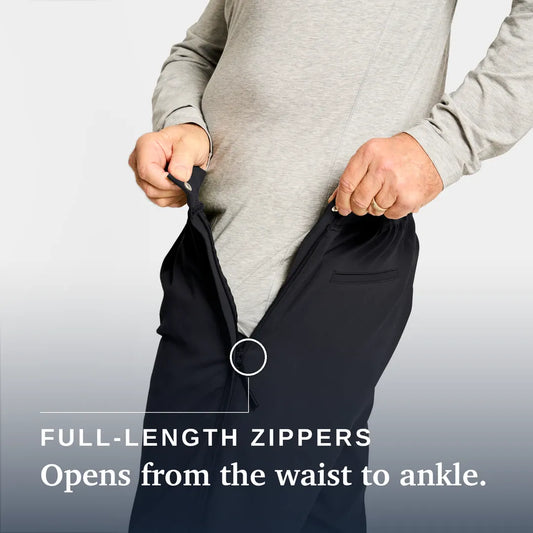
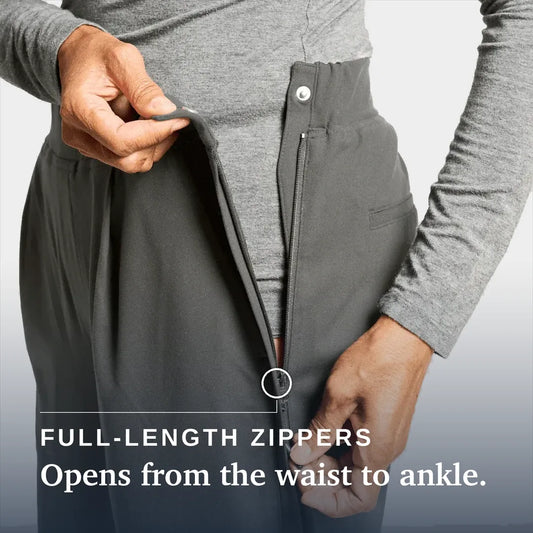
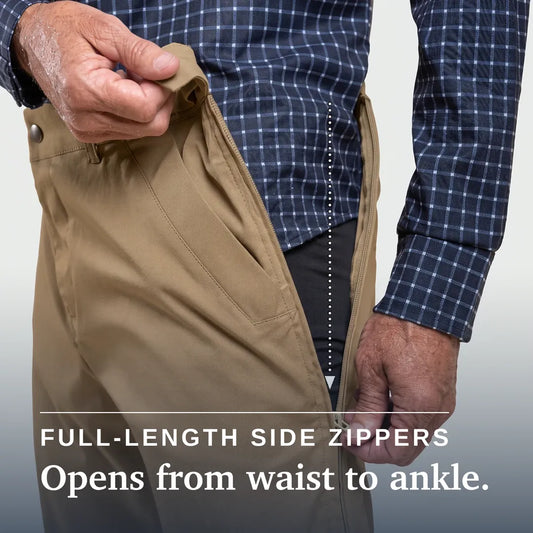
If pulling on pants has become difficult because of bending, balance or limited mobility, adaptive pants with alternative openings can help reduce some of the pulling and repositioning involved.
Joe & Bella’s Everyday Side-Zip Pants, for example, open along the sides to create more room during dressing. That can make them easier to put on whether someone is seated, standing or receiving assistance.
The idea isn’t to have clothing do everything for the person. It’s to remove the one or two steps that are preventing them from doing the rest.
That’s what easy dressing should mean: not taking over, but making participation possible.
Assisted Dressing Should Still Feel Collaborative

When someone needs more hands-on help, the way that help is given matters.
Explain what you’re doing before you do it. Ask before moving an arm or leg. Whenever possible, let the person participate in the process.
They may be able to put one arm into a sleeve while you hold the shirt. They may be able to pull up one side of their pants while you help with the other.
Dressing can still be something you do with someone rather than something you do to them.
That distinction matters.
Ask What They Wish Were Easier
If you do one thing this week, ask a simple question:
“Is there anything about getting dressed that you wish were easier?”
Then listen to the answer.
It might be buttons. It might be bending down. It might be that asking for help feels frustrating or embarrassing. Or it may be that none of the clothes in the closet feel like “them” anymore.
The best solution usually starts with understanding the actual problem.
Getting Dressed Is About More Than Clothing
Getting dressed may seem like a small part of the day, but it touches on independence, choice, privacy, routine and identity.
As a nurse, I learned that supporting someone doesn’t always mean doing more for them. Sometimes it means giving them extra time. Sometimes it means changing the environment. And sometimes it means choosing clothing that removes a difficult step while allowing them to keep doing the rest.
Because getting dressed isn’t just how we prepare for the day. It’s one of the ways we begin the day as ourselves.
About Nurse Taylor
Taylor Donaldson, RN, is Joe & Bella’s Chief Customer Happiness Officer and a former geriatric nurse. As “Nurse Taylor,” she draws on her clinical background and years of working directly with older adults and their families to share practical advice about dressing, caregiving and maintaining independence.
At Joe & Bella, we believe getting dressed shouldn’t be one more thing that gets in the way of the day.
-
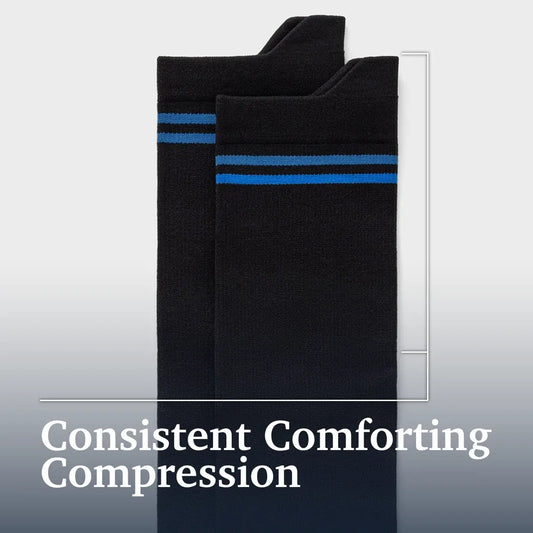
Big-Grip No-Slip Compression Socks: 3-PackRegular price $22Regular priceUnit price per
$54Sale price $22Sale -
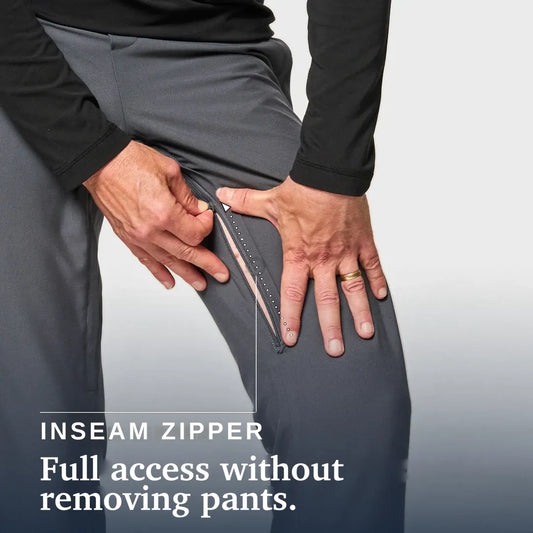
CareZips® Men's Access PantsRegular price $81Regular priceUnit price per
$108Sale price $81Sale -
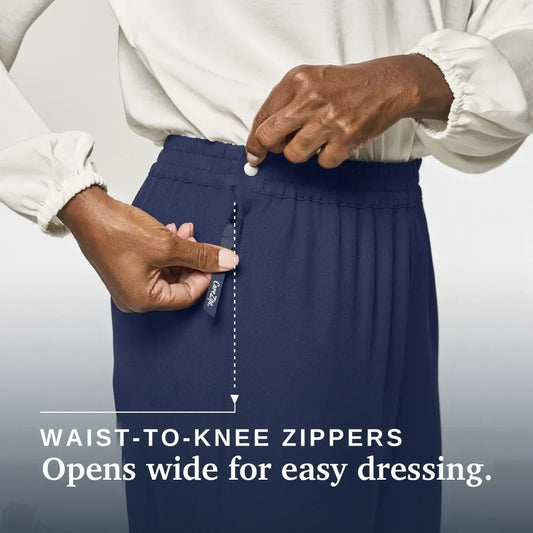
CareZips® Women's Access PantsRegular price $81Regular priceUnit price per
$108Sale price $81Sale -
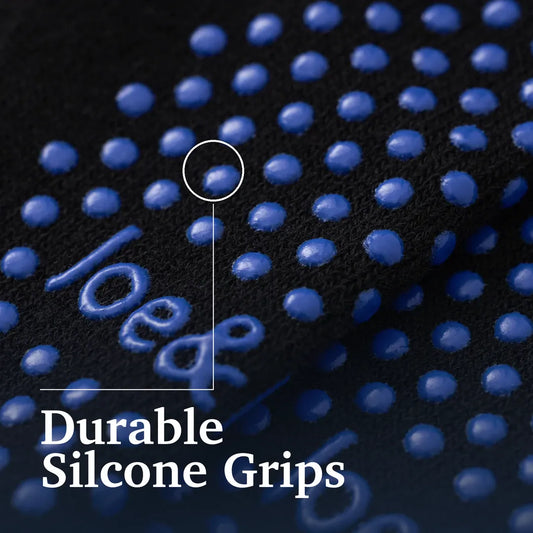
Everyday Gripper Socks 3-PackRegular price $44Regular priceUnit price per
$54Sale price $44Sale -
Everyday Magnetic Button Blouse for WomenRegular price $68Regular priceUnit price per
-
Everyday Magnetic Button-Down for Men | Tailored-FitRegular price $78Regular priceUnit price per
$98Sale price $78Sale -
Everyday Magnetic Flannel for MenRegular price $78Regular priceUnit price per
$98Sale price $78Sale -
Everyday Magnetic Flannel for WomenRegular price $78Regular priceUnit price per
$98Sale price $78Sale -
Everyday Side-Zip Pants for MenRegular price $81Regular priceUnit price per
$108Sale price $81Sale -
Everyday Side-Zip Pants for WomenRegular price $81Regular priceUnit price per
$108Sale price $81Sale -
HoodEase®: The Magnetic Zip-Up HoodieRegular price $88Regular priceUnit price per
$108Sale price $88Sale -
HoodEase®: The Magnetic Zip-Up Hoodie for WomenRegular price $88Regular priceUnit price per
$108Sale price $88Sale -
Magnetic Button-Down for Men | Relaxed-FitRegular price $78Regular priceUnit price per
$98Sale price $78Sale -
Short-Sleeve Everyday Magnetic-Button Shirt for MenRegular price $78Regular priceUnit price per
$98Sale price $78Sale -
Signature Magnetic Cardigan for WomenRegular price $88Regular priceUnit price per
$118Sale price $88Sale -
Signature Magnetic Zip-Up Sweater For MenRegular price $108Regular priceUnit price per
$118Sale price $108Sale -
Signature Side-Zip Chinos for MenRegular price $108Regular priceUnit price per
$118Sale price $108Sale