For many families, one of the first daily routines to become unexpectedly difficult in dementia caregiving is getting dressed.
What used to take a few quiet minutes can turn into confusion, frustration, resistance, or tears. A loved one may put clothes on backward, forget what goes on first, refuse to change, or become upset when a caregiver tries to help. These moments can be discouraging for everyone involved.
The important thing to understand is that dressing problems in dementia are rarely about stubbornness. More often, they are a sign that a task which once felt automatic now involves too many steps, too much physical effort, or too much emotional discomfort.
When caregivers understand why dressing becomes hard, it becomes easier to respond with patience, better routines, and more helpful clothing choices.
Why Dressing Gets Harder With Dementia
Getting dressed involves more than people realize. A person has to recognize clothing, decide what to wear, remember the order of dressing, manage buttons or zippers, and physically move through the process.
Dementia can affect all of that. A loved one may:
- Forget the order of getting dressed
- Not recognize what a clothing item is for
- Become overwhelmed by too many choices
- Struggle with buttons, zippers, or waistbands
- Feel distressed by clothing going over the head
- Become sensitive to scratchy fabrics or tight seams
- Feel embarrassed needing help with a private task
Physical changes often make the problem worse. Many people living with dementia also have arthritis, weakness, limited mobility, balance concerns, or pain with movement. That means even if they understand what to do, dressing may still feel difficult.
Why Dressing Can Become Emotional
Dressing is personal. It is tied to privacy, independence, routine, and identity.
Someone who once got dressed without thinking may now feel exposed or ashamed when they need help. A person may not be able to explain exactly what feels wrong, but they still feel the discomfort, confusion, or loss of control.
That is why dressing resistance in dementia is often communication. A loved one may be saying:
- This feels confusing
- This hurts
- I do not like how this feels
- I am cold
- I do not understand what is happening
- I do not want help with something so personal
That shift in perspective matters. It helps caregivers respond with curiosity instead of frustration.
What Caregivers Can Do to Make Dressing Easier
There is no perfect script, but a few changes can help reduce daily stress. Whether your loved one is living with a physical limitation, dementia, or Alzheimer's, clothing choices can be extremely important in making dressing easier.
Keep Choices Simple
Too many options can create confusion. Instead of asking a loved one to choose from a full closet, offer one or two weather-appropriate options. This keeps them involved without making the decision overwhelming.
Lay Clothes Out in Order
Place each item in the order it should be put on. This can help reduce confusion and make the next step easier to follow. A simple sequence might be:
- Underwear
- Pants
- Shirt
- Sweater
- Socks
When possible, keep the setup visually calm and uncluttered.
Use One Step at a Time
Instead of saying, "Get dressed," break the process into small, clear steps. For example:
- Let's start with your shirt
- Put your right arm in here
- Good, now the other arm
- Next we'll do your pants
Smaller directions are often easier to process than broad instructions.
Slow Down
Rushing usually makes dressing harder. If a person already feels confused or uncomfortable, being hurried can increase agitation quickly. Build in more time than you think you need. A calmer pace often helps the routine go more smoothly.
Pay Attention to Physical Discomfort
Sometimes the real problem is not memory. It is pain or irritation. Watch for signs that a loved one may be reacting to:
- Tight waistbands
- Scratchy fabric
- Clothing that is hard to pull over the head
- Small buttons
- Stiff openings
- Difficult shoes
- Layers that feel too warm or restrictive
When dressing becomes a repeated struggle, clothing itself may be part of the issue.
Let Them Do What They Can
Even if someone needs help, it is still important to preserve independence wherever possible. That may mean:
- Letting them choose between two shirts
- Having them put one arm into a sleeve
- Letting them pull up pants after positioning
- Allowing them to hold or adjust part of the clothing
It does not need to be perfect. Feeling involved matters more than a perfectly straight collar.
How Adaptive Clothing Can Help in Dementia Care

Adaptive clothing can be especially helpful when dementia is combined with physical dressing challenges. The best adaptive clothing for dementia usually does not look clinical. It simply reduces the effort involved in getting dressed.
Helpful features can include:
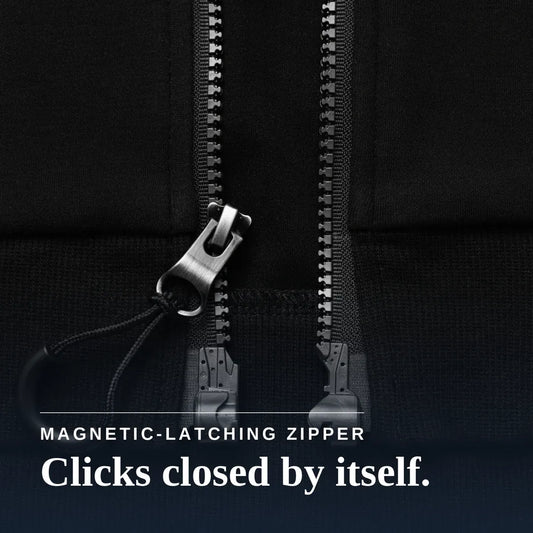
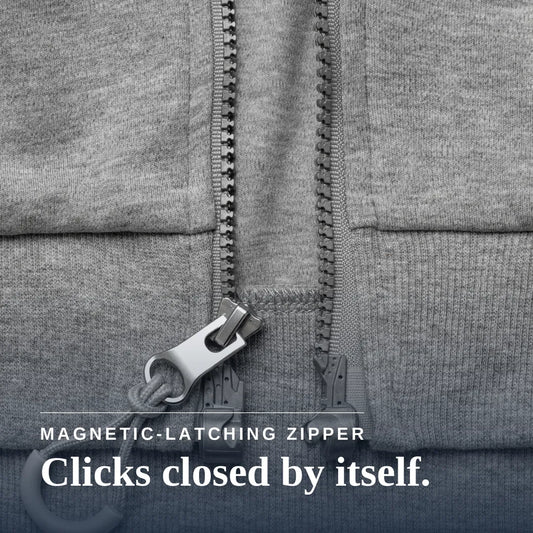
- Magnetic closures instead of small buttons
- Elastic waistbands
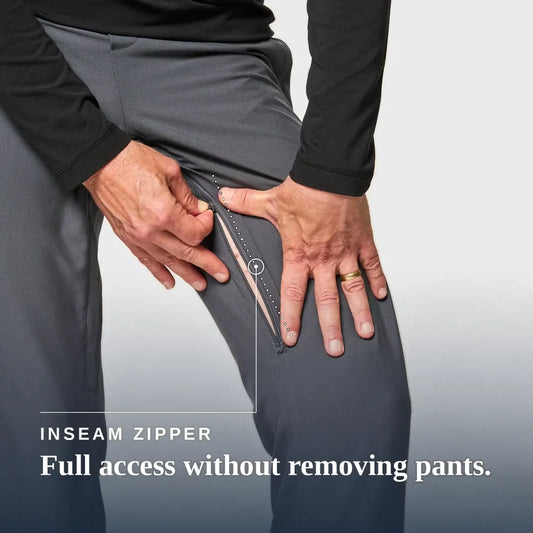
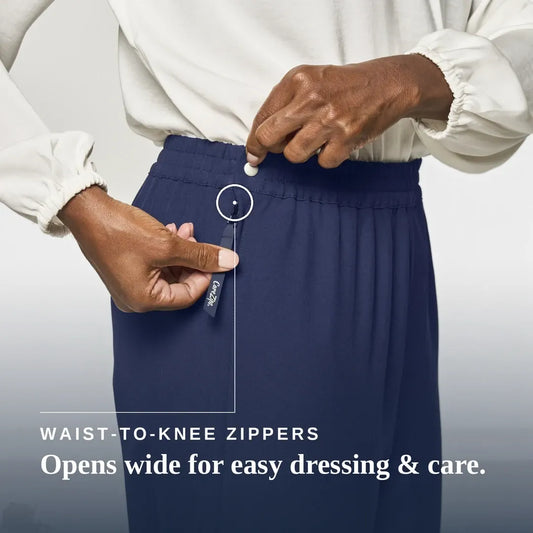
- Side-zip or easier-access pants
- Softer fabrics
- Wider openings
- Simpler layers
- Designs that are easier for assisted dressing
These kinds of changes can reduce frustration for both the person getting dressed and the caregiver helping.
Signs It May Be Time for Easier Clothing
It may be time to rethink clothing choices if your loved one:
- Takes much longer to get dressed
- Avoids certain outfits
- Becomes upset during dressing
- Repeatedly struggles with fasteners
- Needs much more help than before
- Refuses clothes that once felt normal
- Seems physically uncomfortable while getting dressed
Sometimes families think the answer is to keep pushing through the routine. In reality, the better answer may be to remove some of the friction.
Preserving Dignity During Dressing
This may be the most important part. Even when dressing is difficult, dignity should stay at the center of care. A few simple habits help:
- Explain what you are doing before helping
- Ask permission before stepping in physically
- Keep the person covered when possible
- Speak to them, not around them
- Avoid correcting or scolding
- Let them keep familiar colors or styles when possible
Dressing does not need to become a battle. Often the biggest improvement comes when the routine feels calmer, simpler, and more respectful.
Final Thoughts
If dressing has become one of the hardest parts of the day, you are not alone. This is one of the most common and emotional challenges caregivers face in dementia caregiving.
The good news is that dressing struggles are not random. They usually point to something specific: confusion, discomfort, too many steps, pain, or loss of control.
When caregivers respond by simplifying the routine, adjusting the clothing, and protecting dignity, daily life often becomes more manageable for everyone involved.
Looking for clothing designed to make dressing simpler for someone with dementia? Explore our adaptive collection at joeandbella.com, designed for comfort, ease, and dignity.
About the Author:
Nurse Taylor Thoen Donaldson is Joe & Bella's Chief of Customer Happiness and a former geriatric nurse. Known to our customers as "Nurse Taylor," she brings a frontline caregiver's perspective to everything we do, helping ensure our products hold up not just in concept, but in the daily reality of getting someone dressed with limited time, limited mobility, and a lot on the line. Have a question or a topic you'd like her to cover? Just reply to this email.
A note from Joe & Bella: Our content is intended for general informational purposes only. While we share insights from our own Nurse Taylor and other health and wellness experts, please know that they are not your healthcare provider and nothing here should be taken as medical advice, diagnosis, or treatment. Every person's situation is different. Please consult your own physician, nurse, or healthcare professional before making any decisions about your health or the care of a loved one.
Frequently Asked Questions (FAQs)
-
CareZips® Men's Access PantsRegular price $78Regular priceUnit price per
$108Sale price $78Sale -
CareZips® Women's Access PantsRegular price $78Regular priceUnit price per
$108Sale price $78Sale -
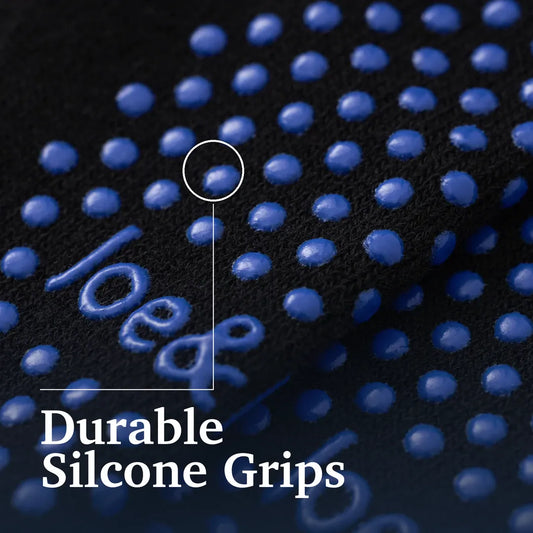
Everyday Gripper Socks 3-PackRegular price $44Regular priceUnit price per
$54Sale price $44Sale -
HoodEase®: The Magnetic Zip-Up HoodieRegular price $98Regular priceUnit price per
$108Sale price $98Sale -
HoodEase®: The Magnetic Zip-Up Hoodie for WomenRegular price $98Regular priceUnit price per
$108Sale price $98Sale